
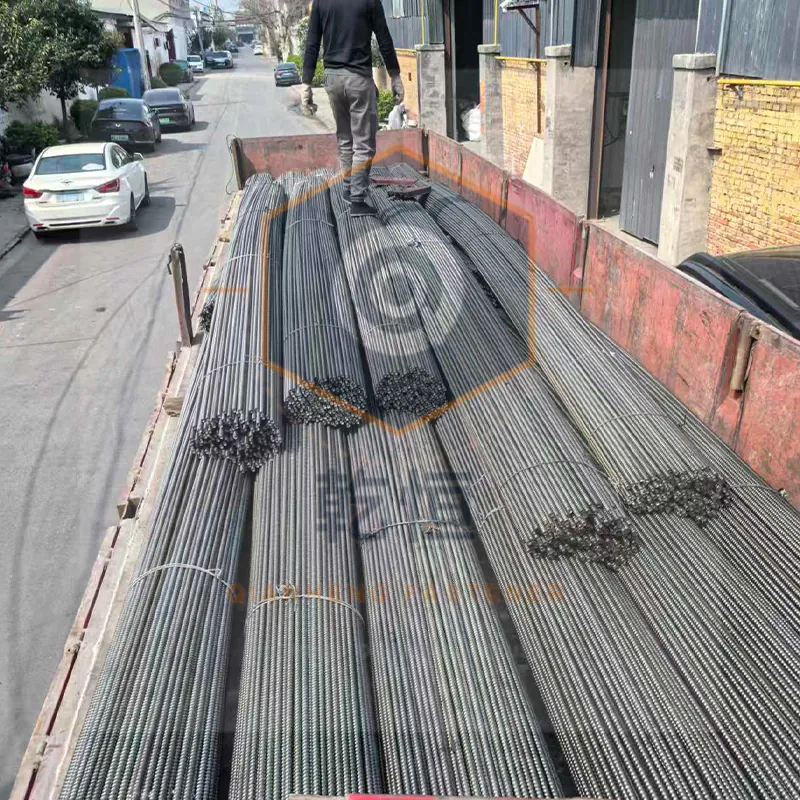
vs
D15 or D20? Choosing Tie Rod Diameter Without Oversizing
Load capacity, wall thickness constraints, panel compatibility and reuse cost — the four factors that decide between the two standard sizes.
Read the comparisonDirect answers to the either/or questions that decide a formwork order.
Load capacity, wall thickness constraints, panel compatibility and reuse cost — the four factors that decide between the two standard sizes.
Read the comparison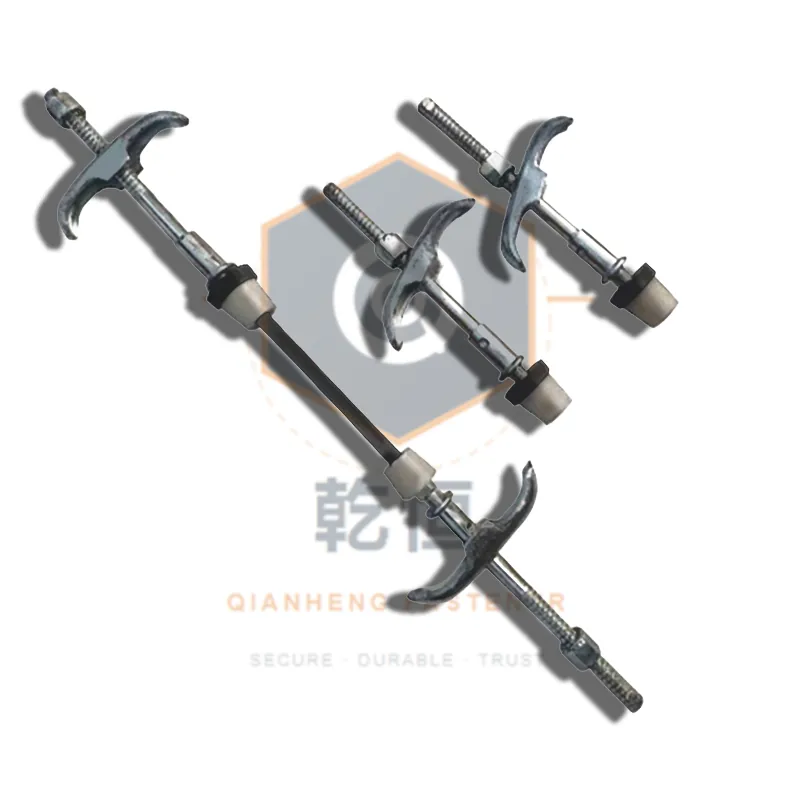
Both keep a bar permanently inside a water-retaining wall. They differ in what you throw away every pour, how the seal is made, and what a repair costs later.
Read the comparison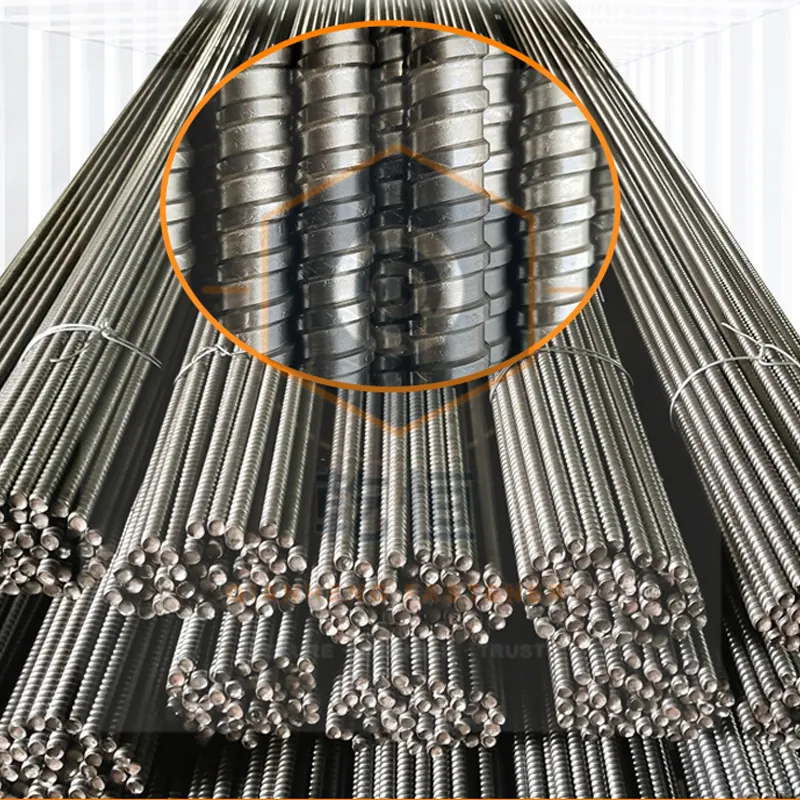
A through-tie is recovered and re-used; a lost-end tie stays in the wall. The break-even point is set by reuse cycles, hole-filling labour and what the specification allows.
Read the comparison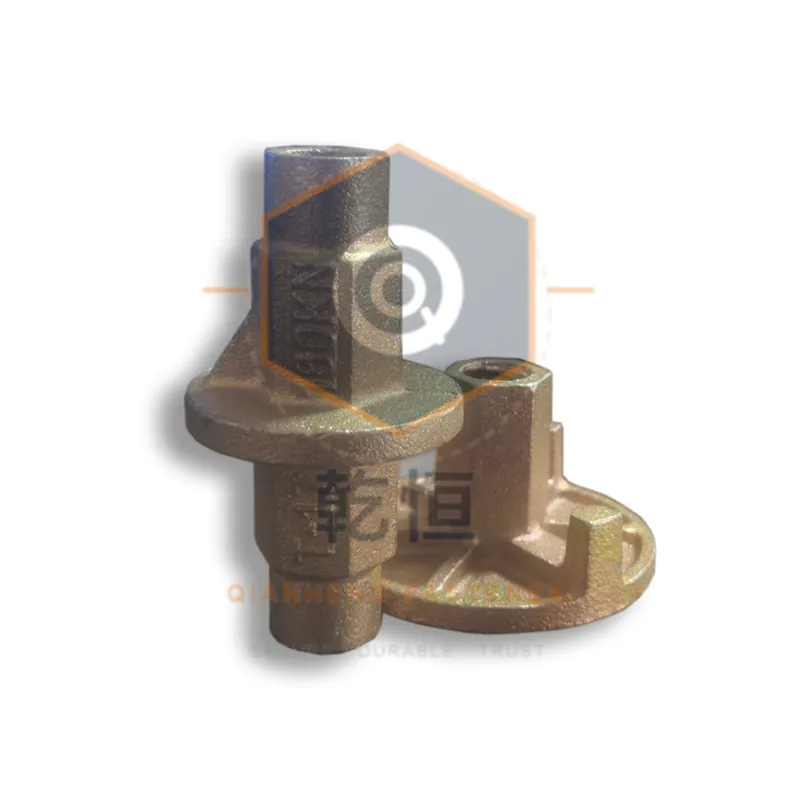
A welded plate is made on the bar; a cast iron water stop nut is fitted on site. Same job, different tolerance for welding quality, wall thickness changes and site error.
Read the comparisonWhat property classes actually guarantee, how allowable tension is derived, and when a higher grade is wasted money or an active risk.
Read the comparison
When you can only reach one face of the wall, the tie cannot pass through. What changes is not just the hardware but where the load goes.
Read the comparisonWhich diameter, which property class, and what the choice actually changes on site.
How a penetration is made watertight, and what each detail costs in consumables and labour.
Recoverable or embedded, two faces or one — the decisions that drive cost per pour.
Coating, stainless grade and thread manufacturing, compared by environment and failure mode.
D15 suits walls up to about 3.5-4 m with normal pour rates and 0.6-0.8 m tie spacing. D20 earns its cost on thick walls, fast pours, cold concrete and single-sided work, where fewer and stronger ties reduce congestion. Compare the total cost per square metre of wall formed, not the price per rod, and always check the result against the formwork pressure calculation for the specific pour height and rate.
Not sure which one fits your pour? Send the wall thickness and pour rate and we will size it with you.
Get a Quote