
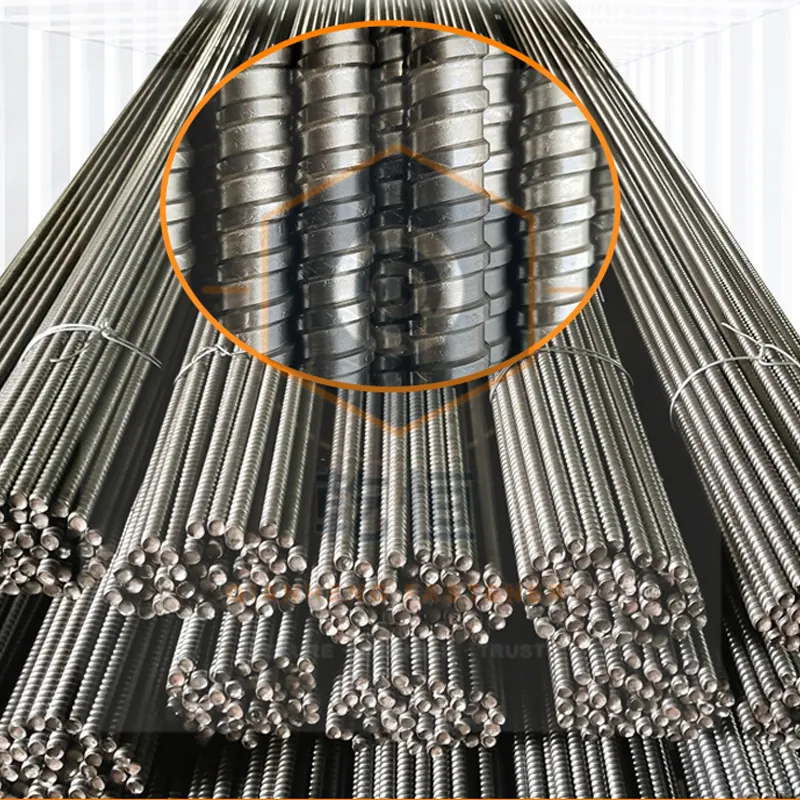
Grade numbers are not a quality ranking. They describe minimum tensile strength and yield ratio, and the right grade follows from the load and the failure mode you want — not from a preference for "stronger".
What the numbers mean
The first digit is one tenth of minimum tensile strength in MPa; multiplying both digits gives one tenth of minimum yield strength. Class 4.8: 400 MPa tensile, 320 MPa yield. Class 8.8: 800 MPa tensile, 640 MPa yield. Class 10.9: 1000 MPa tensile, 900 MPa yield, and it is quenched and tempered rather than plain carbon steel.
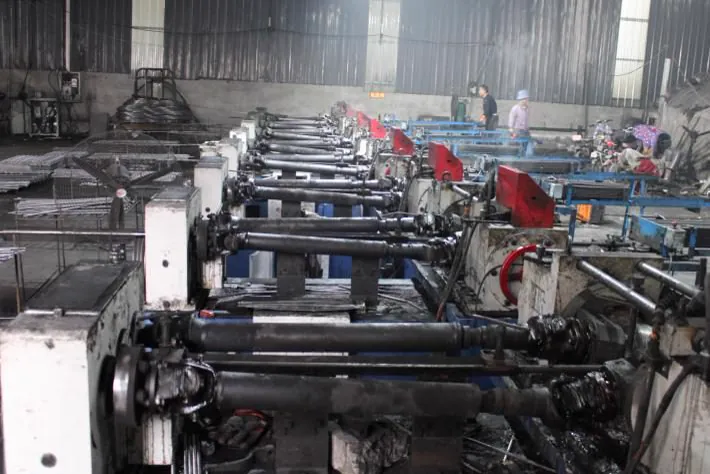
Class 8.8 and above are medium-carbon or alloy steels with controlled heat treatment. Class 4.8 is plain carbon steel, normally supplied as-rolled or normalized.
From grade to allowable load
Allowable tension is not the yield strength of the nominal diameter. It is calculated from the stress area (the effective section through the thread), multiplied by yield, then divided by a safety factor and, for repeated use, reduced by a fatigue allowance.
For a DW15 tie rod the stress area is roughly 176 mm². At class 8.8 that is about 113 kN at yield, and formwork practice applies a working load well below it — typically landing in the 90-150 kN band depending on the standard used. An Rd20 rod reaches roughly 230-260 kN on the same basis. The exact figure must come from the supplier as a certified rated capacity, not from a formula copied off a website.
When a higher grade is the wrong answer
Higher grades are more notch-sensitive and more susceptible to hydrogen embrittlement after electroplating. Class 10.9 rods that are electro-galvanized without a proper baking cycle can crack days after installation at loads far below rated capacity. If a 10.9 rod must be coated, specify hot-dip galvanizing or mechanical plating, and require the baking record if electroplating is used.
Higher grade also costs more and machines differently: 10.9 threads are harder to roll, and re-cutting or die-chasing them on site removes the surface layer that carries much of the fatigue performance.
Selection logic that holds up
- Take the design load from the formwork drawing, including the concrete pressure case and any dynamic allowance.
- Divide by the number of ties per unit area and by the safety factor your standard requires — commonly 1.5-2.0 on rated capacity, higher for repeated use.
- Choose the lowest class that satisfies it with margin. If class 8.8 covers the load, ordering 10.9 buys risk, not safety.
- Match nut and cone to the same class. A 10.9 rod with a 4.8 nut simply relocates the failure.
- Require the mill certificate (EN 10204 3.1 for structural work) and a batch tensile report, and check that the heat number on the rod matches the certificate.
Reuse and derating
Reusable rods accumulate damage: nicks at the thread entry, straightened bends, corrosion pits. Most formwork standards require inspection before each reuse cycle and derate or scrap rods with visible thread damage. A rod that has been bent and straightened has lost part of its fatigue life even if it looks serviceable.