
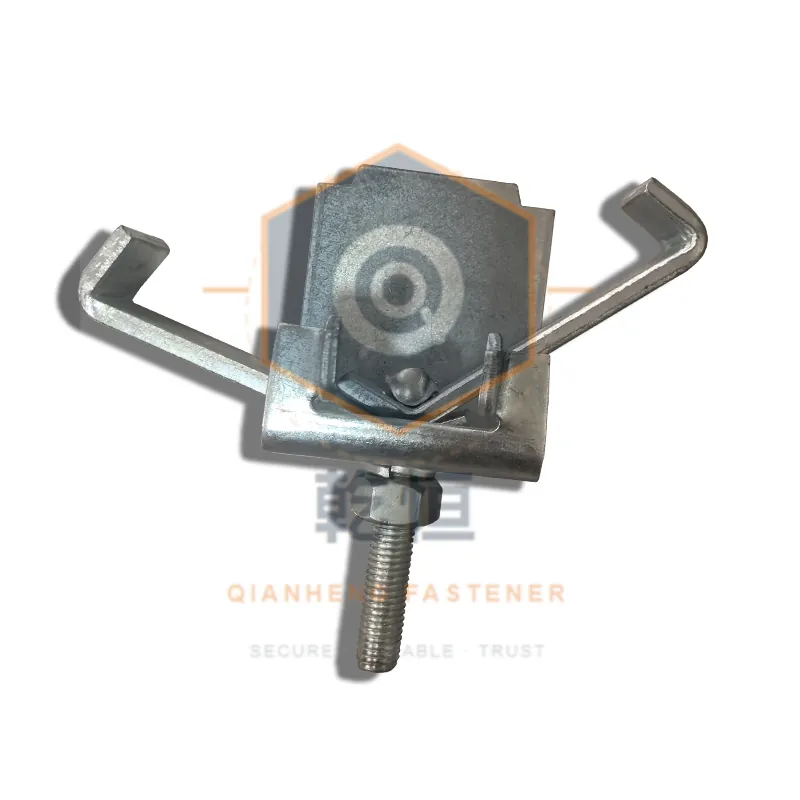
Understanding the cost structure of fastener supply makes negotiations shorter and better targeted. Price is not one number to be pushed; it is a set of drivers that respond differently to different requests.
The drivers, roughly in order of size
MATERIAL: typically the largest single share for plain carbon and alloy parts. Grade, diameter, and whether the material is stocked or specially rolled all move this line. Moving from Q235 to 40Cr on a high-strength tie rod is a material cost increase; moving from stocked to special diameter may also add mill lead time.
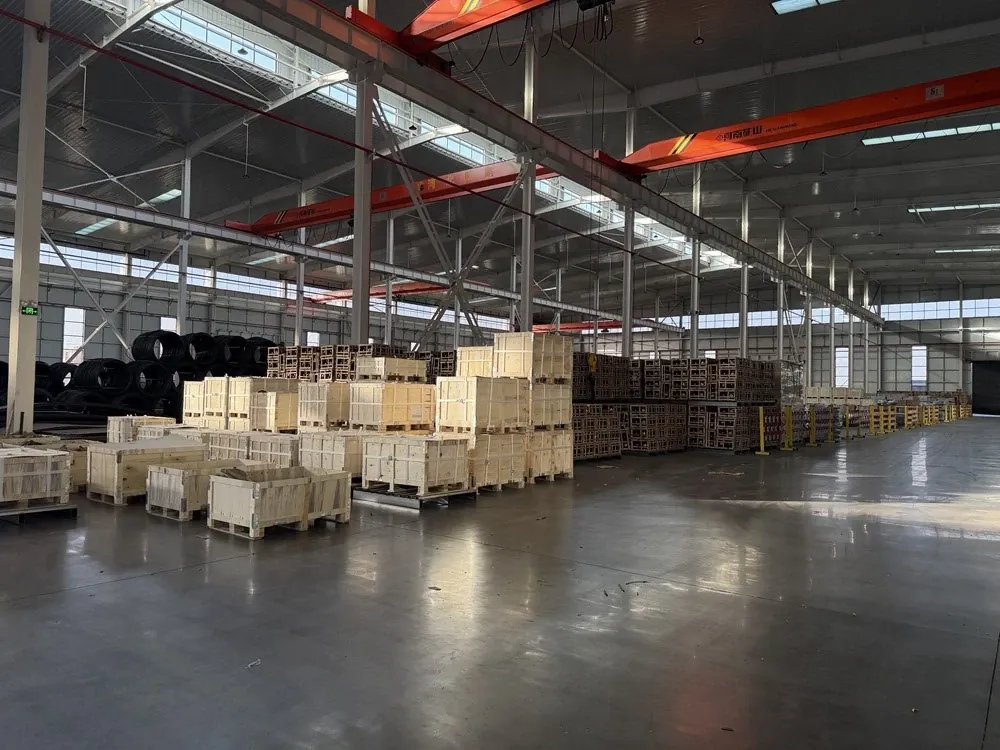
PROCESSING: machining, heading, thread rolling, and any secondary operations such as drilling or bending. Thread rolling is cheaper per piece than cutting at volume because material waste is lower and cycle time is short.
HEAT TREATMENT: required for 8.8 and above. Batch processing means cost is partly a function of batch size, which is why a small order at high class carries a disproportionate heat-treatment share.
COATING: cost scales with process sophistication — black oxide < electro-galvanizing < zinc-lamellar < hot-dip galvanizing. HDG is expensive partly because of the handling and because tapped-oversize nuts are needed.
INSPECTION AND DOCUMENTATION: a 2.1 declaration is effectively free; a 3.1 certificate requires per-batch testing and administration; 3.2 adds an independent inspector.
PACKING: bulk packing is cheapest; per-BOM kit packing with marking and internal separators can add a material share to the total, but it usually removes more cost from the receiving and site-labour side than it adds.
FREIGHT AND TERMS: Incoterm and volume per shipment change the landed cost considerably. Consolidating items into one shipment is often worth more than a few percent on unit price.
Levers that actually move the total
CONSOLIDATE: combining several part numbers into one order and one shipment reduces setup, packing and freight cost per piece.
RIGHT-SIZE THE SPECIFICATION: choosing the lowest class and coating that meet the requirement, rather than the highest available, is usually the single largest saving — and it also removes the 10.9-plus-hydrogen-embrittlement risk.
REVIEW TOLERANCES: a ±0.5 mm tolerance where ±2 mm functions can require extra operations and extra inspection for no benefit.
TIME THE ORDER: ordering in a supplier's normal production window, rather than demanding an expedited slot, avoids expediting charges and air freight.
Where cheapness costs more
Missing documentation that later has to be retro-tested. Under-thickness coating that fails within a season. Bulk packing that costs a week of site labour. A longer lead time that forces air freight. Each of these is a visible saving at the quotation stage and an invisible cost later.
A practical negotiation order
Agree the specification completely, then agree the total landed cost for the consolidated order, then agree the delivery schedule and the documentation. Negotiating unit price before the specification is fixed produces a number that will change anyway.