
Two rods can meet the same dimensional standard and still behave differently in service. The difference is how the thread was formed.
Forming methods
CUT THREADING removes material. A die or single-point tool shears the grain structure at the thread root, leaving grain ends exposed at the most highly stressed section of the fastener. Root radius depends on tool condition and can be sharp enough to act as a stress raiser.
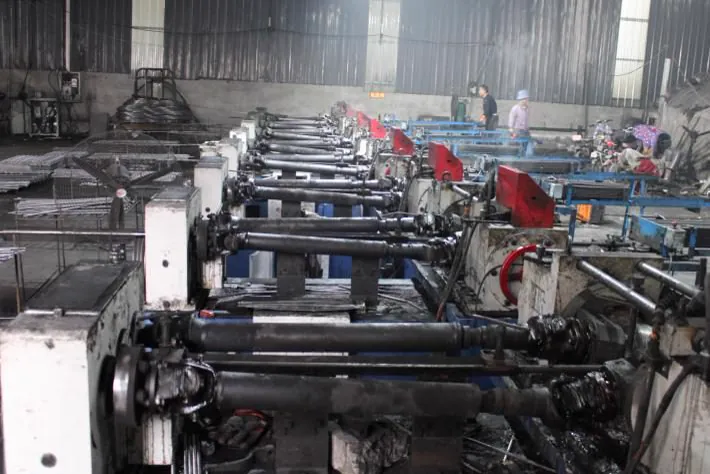
ROLLED THREADING displaces material. The blank diameter is close to pitch diameter and the metal is squeezed into shape, so grain flow follows the thread profile instead of being cut across it. The process also cold-works the surface and leaves residual compressive stress at the root.
The performance difference
Fatigue strength is the headline benefit: rolled threads commonly show a substantial improvement over cut threads in fatigue tests, and the gain is largest where stress concentration is worst — at the first engaged thread root. For formwork ties this matters, because a tie does not see one static pull; it sees the pour cycle, vibration and repeated reuse with small lateral movements.
Secondary benefits: better surface finish, tighter pitch-diameter control, and less material waste because the blank is nearer the finished size.
Where cut threads still make sense
Very large diameters, one-off or repair work, thread forms that are hard to roll, and jobs with looser tolerance than the process. Cutting is also the usual method for re-threading a damaged rod on site — with the caveat that this locally removes the benefit of rolling at exactly the location that matters.
How to tell them apart in the field
Look at the crest. A rolled thread has a smooth, slightly rounded crest, sometimes with a faint longitudinal line where the die closed. A cut thread often shows a sharp crest with fine tool marks along the flank and a small burr at the start; under low-angle light the flanks look bright and torn.
Check the rod end: a rolled thread is formed from a reduced blank, so the unthreaded shank is often slightly larger than pitch diameter but smaller than outside diameter. A cut thread is turned from full-diameter bar, so the shank equals nominal diameter.
Ask for the process on the certificate. "Threads rolled" or "threads cut" is a legitimate line item for any structural tie.
Reuse implications
Rolled threads tolerate reuse better, but no thread is indestructible. The usual failure in reused rods is mechanical damage — a nick from a dropped panel, a burr from a hammered nut — rather than fatigue from the forming method. Inspect the first three engaged threads before each reuse cycle; that is where damage accumulates and where a crack starts.