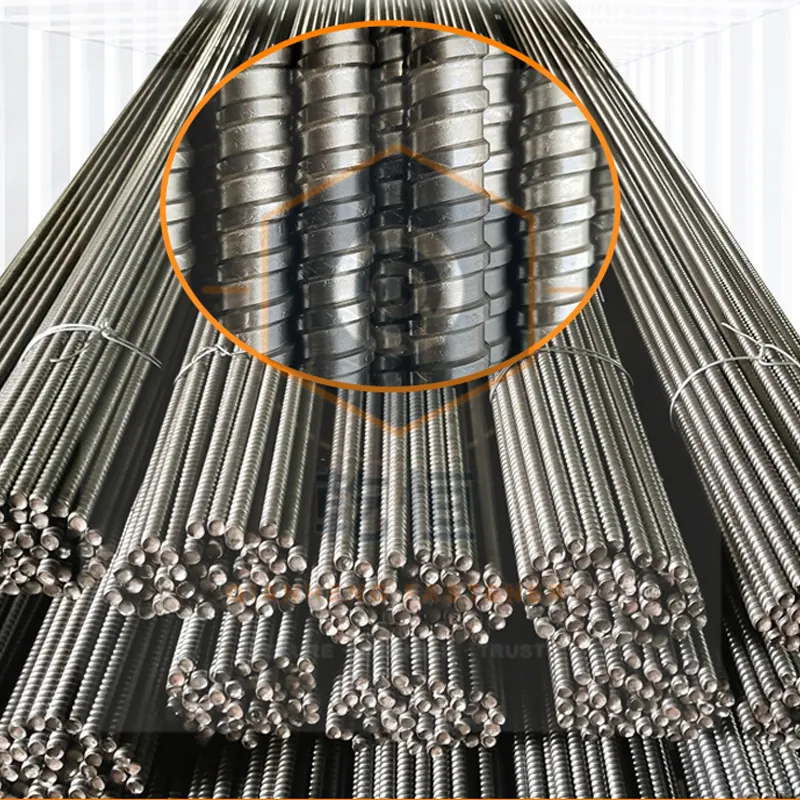
Reusable Through-Tie vs Lost-End Tie: The Real Cost Comparison
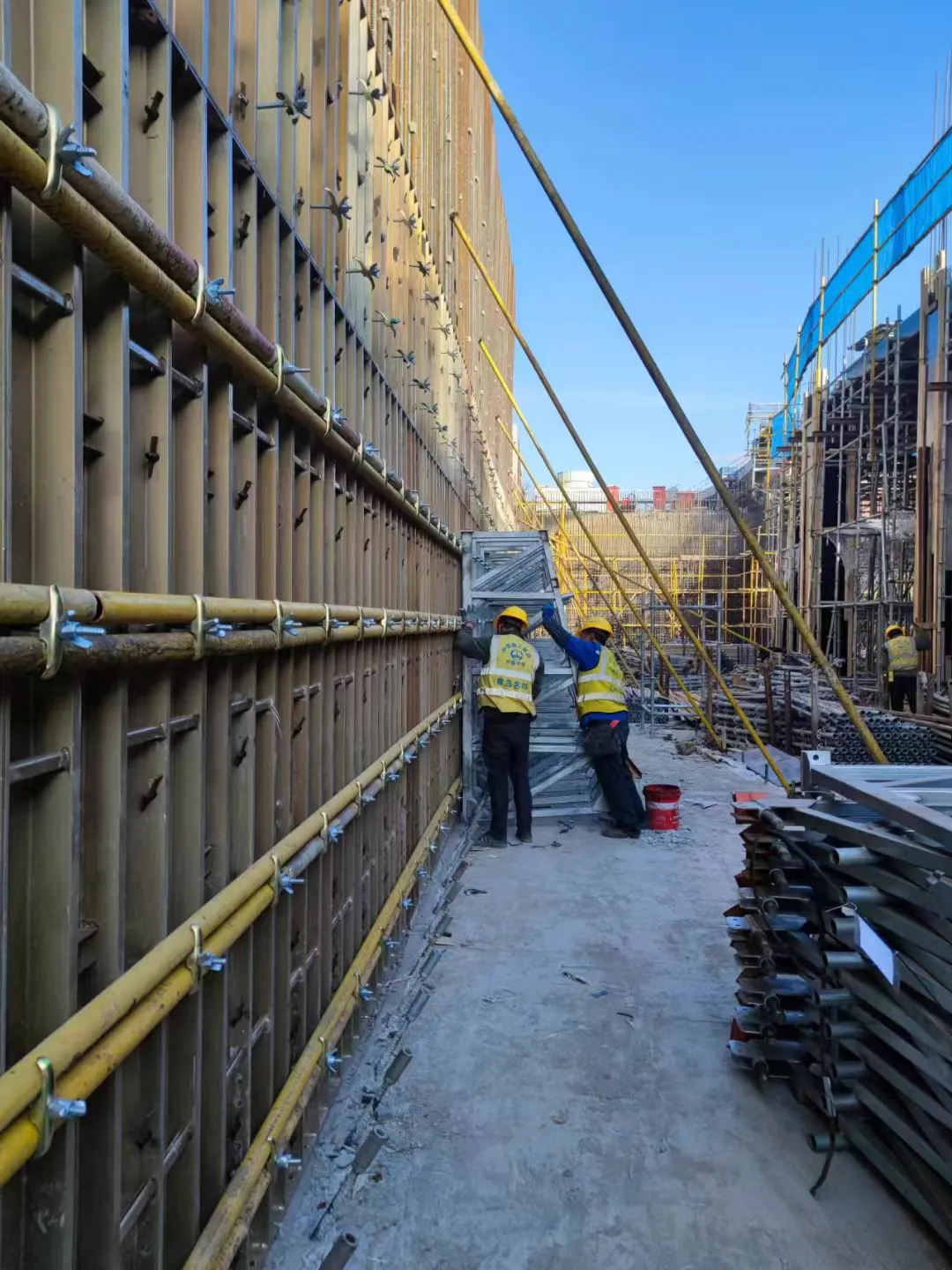
A through-tie is recovered and re-used; a lost-end tie stays in the wall. The break-even point is set by reuse cycles, hole-filling labour and what the specification allows.
Read MoreTechnical guides on materials, waterproofing and buying formwork fasteners for export projects.
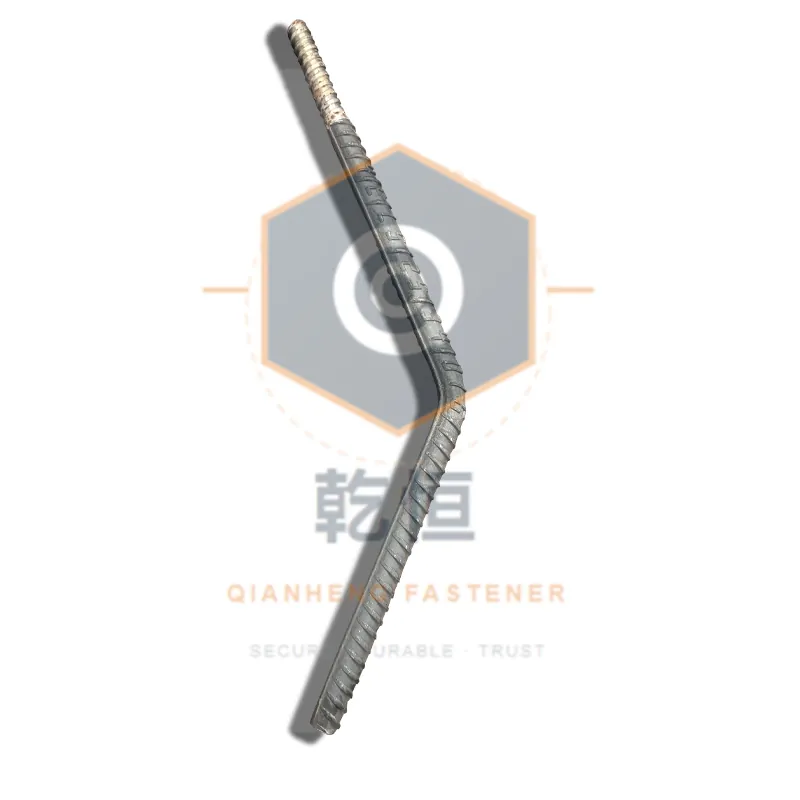
A through-tie is recovered and re-used; a lost-end tie stays in the wall. The break-even point is set by reuse cycles, hole-filling labour and what the specification allows.
Read More
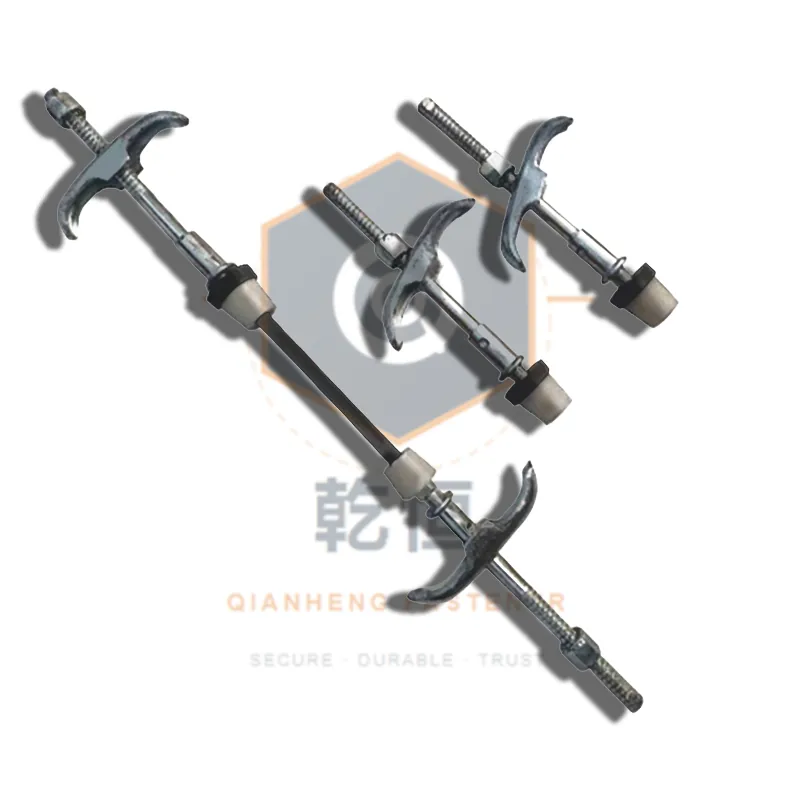
When you can only reach one face of the wall, the tie cannot pass through. What changes is not just the hardware but where the load goes.
Read More
Both keep a bar permanently inside a water-retaining wall. They differ in what you throw away every pour, how the seal is made, and what a repair costs later.
Read More
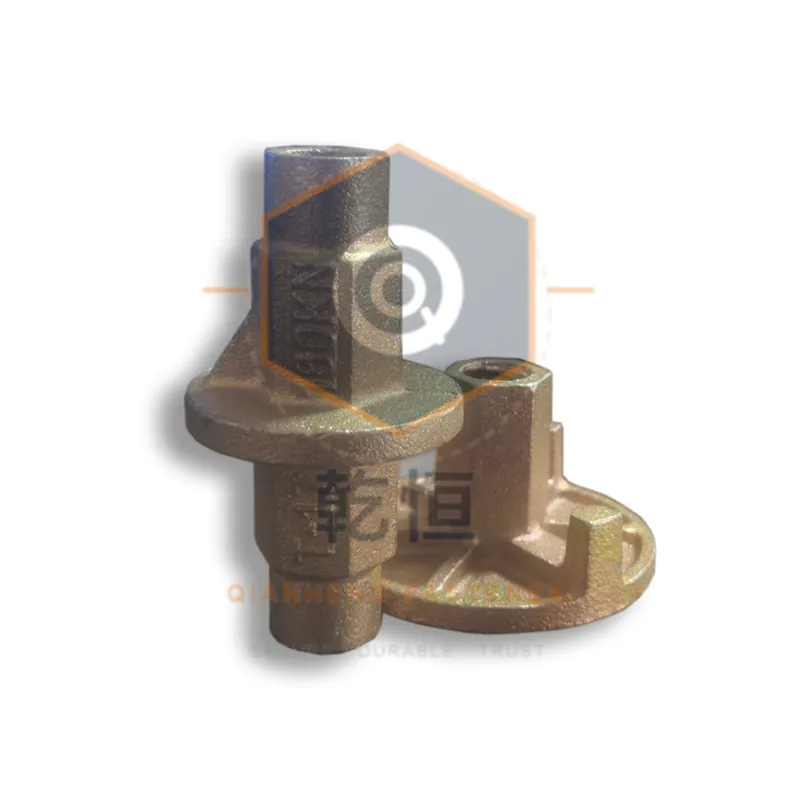
A welded plate is made on the bar; a cast iron water stop nut is fitted on site. Same job, different tolerance for welding quality, wall thickness changes and site error.
Read More
How to read a thread designation, where each system is used in construction, and why mixing two systems on one joint seizes or strips threads.
Read More
What property classes actually guarantee, how allowable tension is derived, and when a higher grade is wasted money or an active risk.
Read More
Coating thickness, salt-spray life, thread fit and hydrogen embrittlement risk compared, with selection rules per environment.
Read More
The water path through a tie hole, why a welded plate interrupts it, and what must be true for the detail to pass a leak test.
Read More
Fresh concrete pressure as a function of pour rate, temperature and height, and the sequence that turns that pressure into tie spacing.
Read More