
A tie rod is quoted as one item. A wall needs four or five of them per hole: the rod, the cone, the bearing plate, the nut, and the cone that forms the recess. That gap between what is quoted and what is consumed is where formwork hardware budgets quietly leak.
The distinction that makes the difference is reusable versus consumable. Reusable items go back to the yard and are issued again on the next wall. Consumables are installed once and never come back. A five-section water stop system has both, plus one component that never leaves the structure at all.
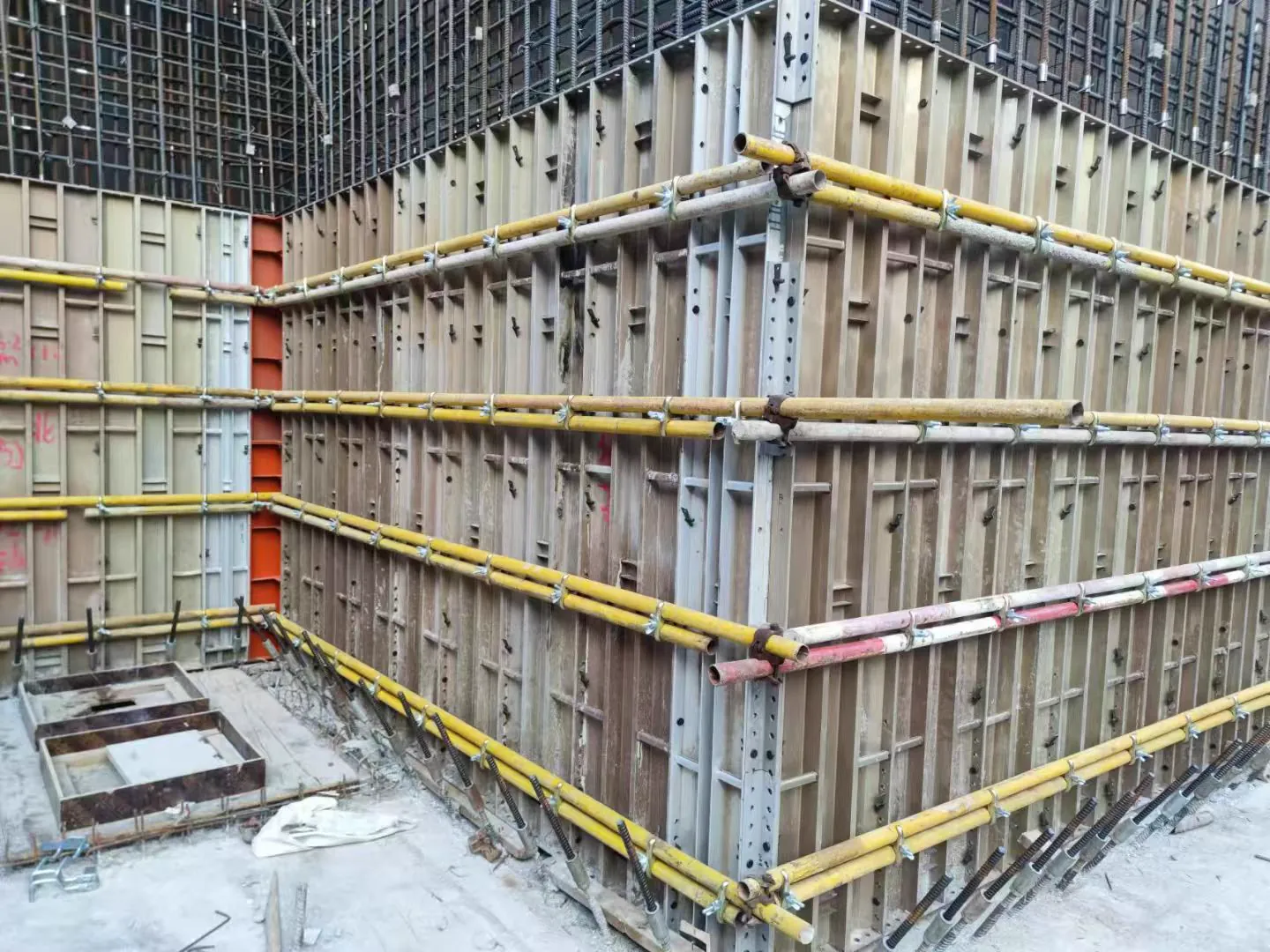
This article sorts the parts, then works through what each does to the cost of a hole and to the logistics of a return.
The three categories, not two
Most people count two: things you get back and things you throw away. There are three, and the third is the one that quietly affects the warranty.
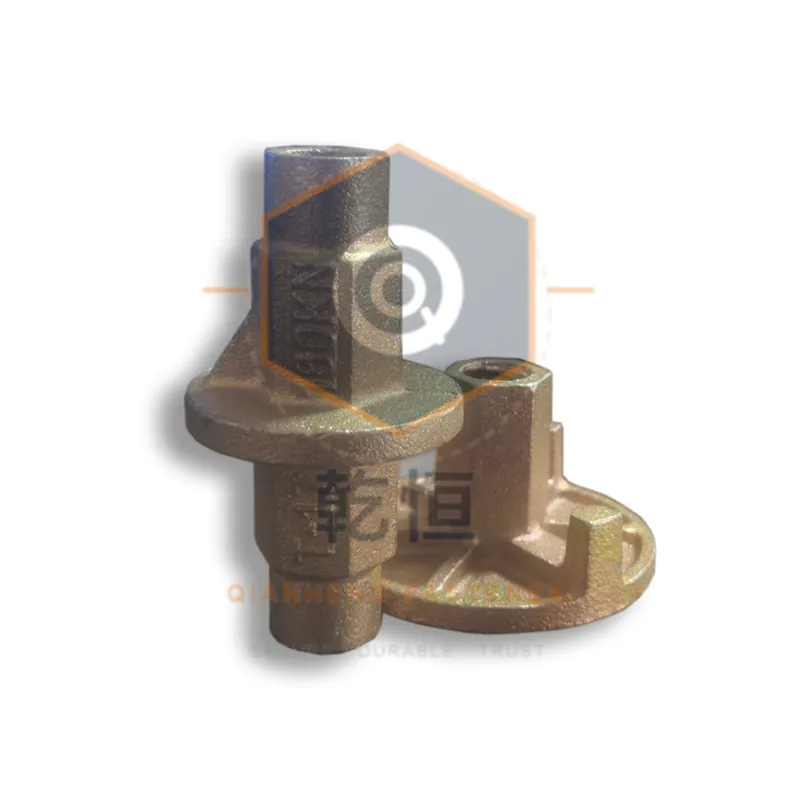
Reusable hardware. External rods, cone or sleeve connectors, bearing plates, wing nuts or disc nuts, washers. These come back, get inspected, get reissued. They are an asset and should be accounted for as one.
Consumables. The plastic cone that forms the wall recess, and any PVC sleeve used to isolate the inner rod during the pour. Installed once, discarded with the structure in place.
The embedded part. The inner rod with its welded water stop plate. It stays in the concrete for the life of the building. It is not returned and cannot be replaced without breaking the wall. In a basement or a tank it is a permanent waterproofing element, which is why its specification matters more than any other part on the page — the comparison between a welded plate and a cast nut is in cast iron water stop nut vs welded plate.
Per hole, that is two reusable items, one consumable, and one permanent item. Written out as a bill of materials for a single tie hole:
| Item | Category | Returns? |
|---|---|---|
| Inner rod with water stop plate | Permanent | No — stays in concrete |
| External rod (×2) | Reusable | Yes, after inspection |
| Cone or sleeve connector (×2) | Reusable | Yes |
| Bearing plate | Reusable | Yes |
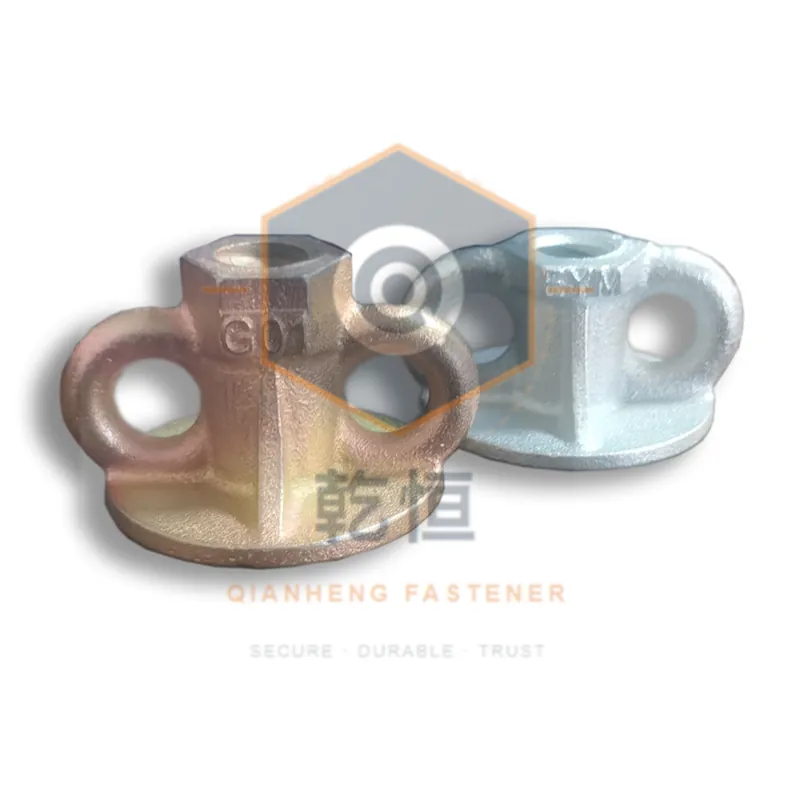
| Wing nut or disc nut | Reusable | Yes |
| Plastic cone | Consumable | No — discarded on striking |
The consequence: when a supplier quotes "per set", the set contains one item that never returns and two that always do. The quote looks uniform; the consumption pattern is not. How the plate fixing itself behaves is covered in how the plate works.
Cost per installed hole, honestly calculated
The wrong way is: set price divided by the number of cycles the supplier says the set lasts. This produces a number that never appears in an actual yard.
The honest version separates the reusable half from the consumable half and asks what the reusable half actually survives.
Consumable cost per hole is straightforward — it is the price of one cone, plus a PVC sleeve if used, multiplied by the number of holes. This is the number to keep accurate because it is the number that scales directly with the area of wall you are pouring.
Reusable cost per hole is set price minus the consumables, divided by the number of complete sets the yard actually recovers per batch issued. That denominator is the one suppliers get wrong in their favour. A batch of external rods may be issued twice before being discarded — the plate deformed, a thread was galled, a rod was cut on site instead of being returned. If you assume the theoretical count you will under-budget, and the gap appears at the end of the project when the inventory cannot be closed.
Two practical adjustments:
- Count recovery in complete sets, not individual pieces. A rod with no plate and no nut is not half a set; it is inventory awaiting parts.
- Track the loss rate, not just the total. A drop from 90% to 60% recovery over a year tells you something about handling or storage that a closing inventory total hides. Return discipline and stacking practice are covered in export packing and rust prevention, and the coating choice that affects how parts survive storage is in coating selection.
Coating thickness and mass for galvanised fasteners are specified in ISO 1461, which is the reference behind the 70 g/m² floor commonly written into a purchase order for hot-dip galvanised structural steel.
Where the cost actually sits on a typical wall
Two cost centres dominate and they are not the same:
Consumables scale with wall area. Every hole costs one cone. On a large slab or retaining structure with thousands of holes, the cone line becomes material. This is where plastic versus steel stops being a small decision — the full comparison is in plastic vs steel cone cost per use.
Hardware scales with cycles. A modest inventory of rods and plates, reused across many walls, is far cheaper per hole than reordering. But only if it actually comes back. An inventory that leaks is worse than no inventory, because the capital is tied up and the loss is invisible until reconciliation.
The practical ordering consequence: for a single short project, buy sets and accept the consumables. For a recurring project or a rental fleet, the reusable half is worth buying as stock, with a stated packing unit so returns reconcile. Rental fleet management is covered in site inventory and recovery.
Four lines the order should contain
The whole discussion above reduces to four items that should appear on the purchase order:
- The complete set definition — every item included, and whether the cone and any sleeve are inside it or separate lines.
- The consumable rate — how many holes the job has, so the consumable quantity is a stated number rather than a site improvisation three walls from the pour.
- The packing unit — a fixed count of each item per bundle or bag. Without this, a return cannot be counted, and the reuse rate cannot be known.
- The replacement policy for consumables — whether they can be called off separately against the same order, so a site does not wait for a full set delivery when it is short one cone.
Items 1 and 3 are the ones that determine whether you can actually run the system. Everything else is a number to know.
What this does not cover
Which cone or sleeve type fits a given wall is a design question covered in five-section tie rod installation sequence. How to avoid damaging the threads that make reuse possible in the first place is in thread galling prevention. And how to compare quotations that all look similar on the surface is in comparing fastener quotations like for like.