
Comparing Fastener Quotations: Making the Numbers Comparable
> In brief > - A quotation is only comparable once it is broken into the same line items. > - Grade, coating and inspection terms must be written down, not assumed. > - Ask for the breakdown in writing before you compare two numbers.
Fastener quotations are rarely comparable as received, because each supplier makes different silent assumptions about grade, tolerance, coating, packing and documentation. Decomposing the price turns three different offers into one decision.
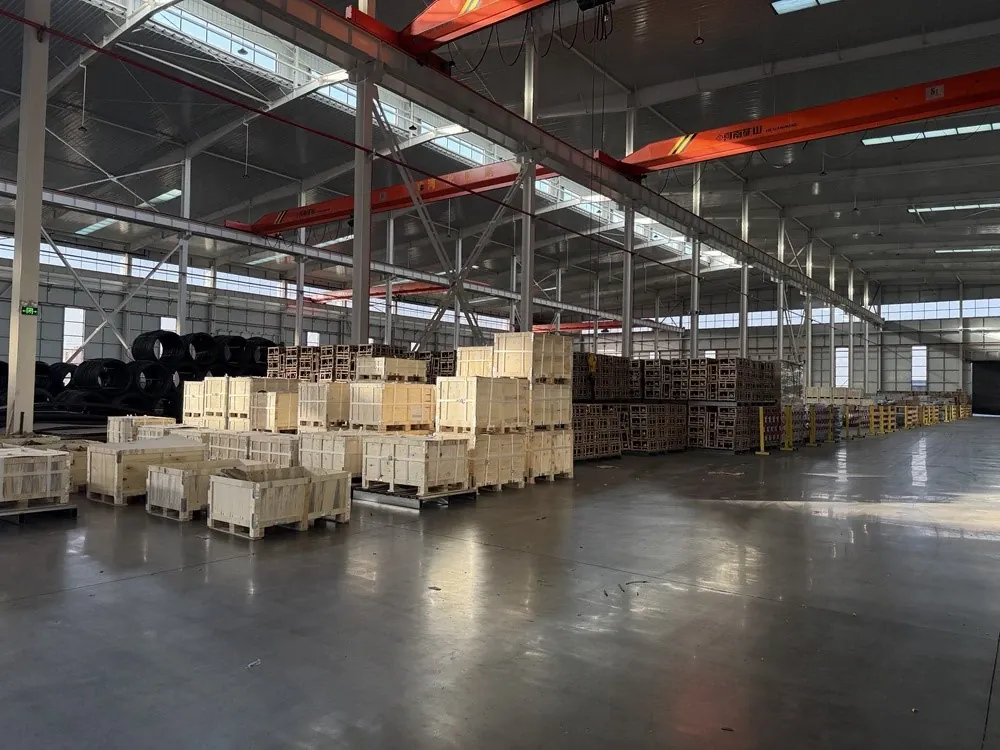
Our own production and test data are available on request — see how our factory works and contact the engineering team for the documents behind any figure quoted here.
GRADE AND CLASS refers to the specific material and strength specifications of the fasteners, which can significantly affect performance and cost. TOLERANCE means the allowable variation in dimensions, which can differ between suppliers and impact the product's suitability. COATING THICKNESS is the measure of the protective layer applied to the fastener, typically specified in micrometers (um). CERTIFICATION refers to the type of inspection document provided, such as 2.1, 3.1, or 3.2, each with different levels of assurance and cost. PACKING STRUCTURE means the method of packaging, such as bulk bags or BOM-marked kits, which affects handling and labor costs.
Request a broken-down price.
Ask for the price split into: raw material, machining and forming, heat treatment, coating, inspection and documentation, packing, inland transport to port, and any tooling or sample charge. Suppliers who refuse a breakdown often have a reason worth knowing.
Material is usually the largest line and the one most likely to differ silently: a quote for 40Cr and a quote for Q235 look similar until the breakdown names the grade.
The comparison table.
Rows = the twelve RFQ data points. Columns = each supplier. Fill in what the quotation actually states, and mark gaps explicitly as "not stated" rather than assuming the best case.
Then add three derived rows: estimated landed cost per piece including freight and duty; total cost including packing structure if one supplier ships bulk and another ships kits; and cost per reuse cycle if the item is reusable and quality differences affect life.
Standard basis: EN 10204:2004 — Types of inspection documents
The silent differences that matter most.
GRADE AND CLASS: a lower class at a lower price can still be correct if the load allows it. Compare against the requirement, not against the other quotes.
TOLERANCE: a supplier quoting a commercial tolerance at a lower price is not offering the same product as one quoting ±2 mm.
COATING THICKNESS: 12 µm and 60 µm are both "galvanized". Get the number.
CERTIFICATION: 2.1 versus 3.1 versus 3.2 certificates differ in cost and in what they prove.
PACKING STRUCTURE: bulk bag versus BOM-marked kit changes the receiving labour cost, which often exceeds the price difference.
LEAD TIME BASIS: from enquiry or from order confirmation? From approval or from deposit? The same quoted number means different dates.
Standard basis: ISO 898-1 — Mechanical properties of fasteners made of carbon steel
Deciding.
Score each supplier on conformance to the specification first, then on total landed cost, then on lead time reliability and communication. Very few decisions actually turn on the last few percent of unit price; most turn on which supplier will deliver the specified product on the date promised.
Keep the comparison table with the purchase order. When a variation is requested later, the table is the baseline that shows whether the variation is genuinely a change.
| Grade and Class | Conformance to Load Requirement | Ensures Structural Integrity |
|---|---|---|
| 40Cr | Meets higher load requirements | Higher cost, better performance |
| Q235 | Lower load capacity, lower cost | May not meet high-strength needs |
| Tolerance | Manufacturing Precision | Affects Fit and Assembly |
| +/-2 mm | High precision, tight fit | Higher cost, better quality |
| Commercial | Lower precision, loose fit | Lower cost, potential issues |
| Coating Thickness | Corrosion Protection Level | Impacts Longevity and Cost |
| 12 um | Basic protection, lower cost | Shorter lifespan in harsh conditions |
References and standards.
- ISO 2859-1 — Sampling procedures for inspection by attributes
- ISO 9001:2015 — Quality management systems
- EN 10204:2004 — Types of inspection documents
- NIST material measurement standards
- ISO 898-1 — Mechanical properties of fasteners made of carbon steel
- ISO 3501 — Corrosion resistance of stainless steel fasteners
About us: This article covers how to make fastener quotations comparable, and what to look for in a detailed price breakdown. Our production and test data are available on request. Our contact page provides a direct line to the engineering team, and the about page documents our factory and processes. This article was reviewed by the Qianheng Formwork Engineering team.