
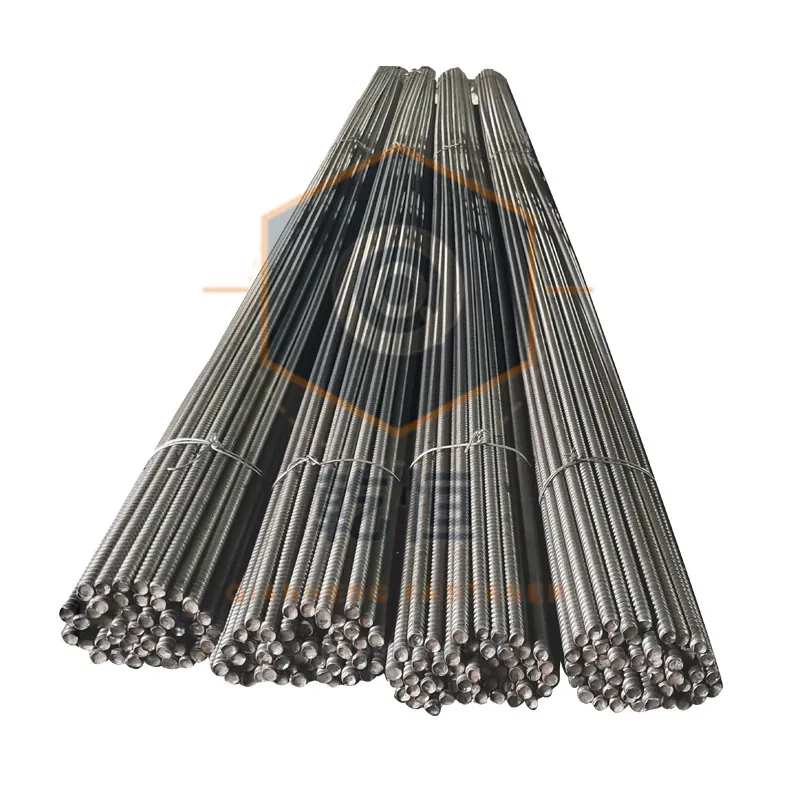
How to Choose a Formwork Tie Rod: Unit Weight, Material and Maximum Tensile Load
> In brief > - Price is the last filter, not the first: thread, material evidence, unit weight and test reports come first. > - Unit weight is a goods-in consistency check, not a strength certificate. > - A grade name never proves capacity - the tensile test report tied to your lot does. > - D15 is the common export size; confirm drawing, thread and mating nut before comparing offers.
Formwork tie rods are bought in containers and trusted with the structural safety of a pour, yet they are often selected the way consumables are selected: three quotations, the lowest number wins. The result, sooner or later, is a rod that threads stiffly into the nut. It may be a batch that is visibly lighter than the sample, or a test figure that cannot be traced to the delivered lot. This guide sets out the four checks that put the decision back on evidence - specification, unit weight, material and maximum tensile load - and explains what each one can and cannot prove. Our product range covers the sizes discussed here, and every figure quoted in this article is available as documentation on request.
1. Why the lowest price is the wrong first filter
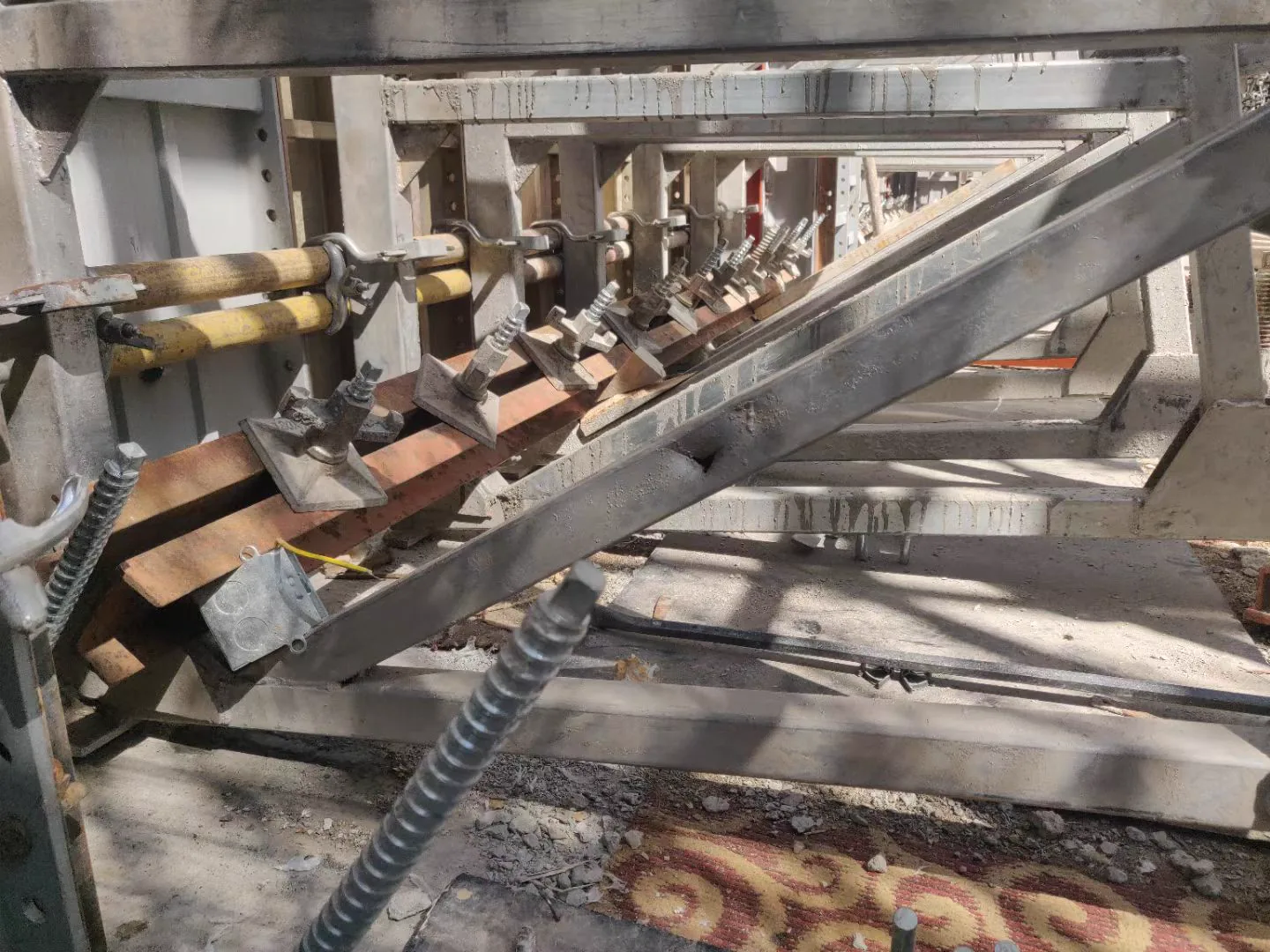
A tie rod works at the centre of a load path. Fresh concrete pushes on the panel, the panel pushes on the waler, and the rod ties the two faces together through a nut and a bearing plate. The rod is rarely the weakest part of that chain. That is exactly why comparing rods by price alone is misleading: the cheap rod and the correct rod may carry the same printed grade and fail in different places.
Before comparing offers, it is worth checking six things:
- the rod size, thread profile and effective section;
- the material and the mechanical properties behind it;
- the unit weight and the dimensional consistency across a batch;
- the maximum tensile test result and the specification it was measured against;
- the match between rod, nut, washer plate and any cone or anchor in the assembly;
- the project requirements and applicable standards the goods must satisfy.
Tie rod is the threaded steel bar that ties the two faces of a formwork panel together and carries the lateral pressure of fresh concrete. Unit weight refers to the mass of one metre of finished rod, normally quoted in kg/m. Yield load means the load at which the rod starts to deform permanently and no longer returns to its original length. Maximum tensile load is the highest load a rod sustained in a tensile test before failure.
None of these four definitions is exotic, but each one answers a different purchase question, and only the last one - measured on a sample tied to your lot - is direct evidence of capacity.
2. D15: the size most export buyers start with
D15 is one of the most common sizes in formwork tie systems and the usual starting point in export projects. It is also the size where naming causes the most trouble. Different markets and different formwork systems call essentially the same product by different names: some buyers order by the rod family (D15), some by the thread (M17-type), some by the rolled profile code (17/10). The names overlap, but they are not defined consistently across mills and standards, so a purchase order that relies on the name alone leaves room for a rod that does not match the nuts already on site.
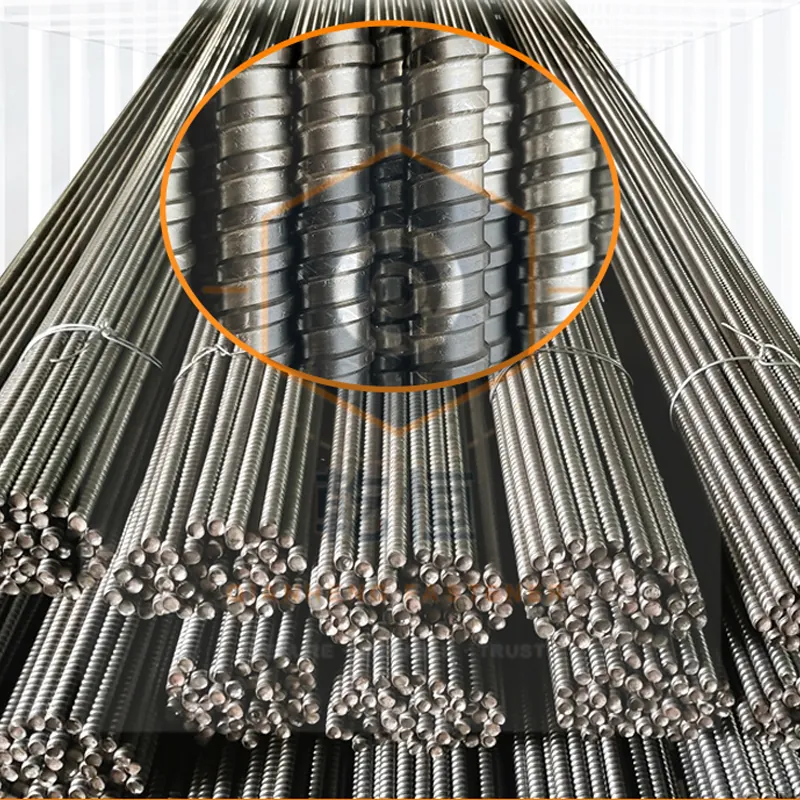
Before ordering, confirm:
- the product drawing with the key dimensions;
- the thread outer diameter, pitch and tooth form;
- the mating requirement with the nut, washer plate and any connecting part;
- the unit weight and its allowed deviation;
- the material requirement and the tests that will verify it.
We confirm all five points against a customer's sample, drawing or written specification before production, which removes most of the ambiguity a trade name carries. The load arithmetic - turning concrete pressure into an allowable load per rod - is set out step by step in our D15 and D20 sizing guide.
3. Unit weight: a consistency metric you can check with a scale
Unit weight is the one quality metric a buyer can verify at goods-in with nothing more than a scale. That is precisely its value: a fast, cheap consistency check across a batch. On our own current production, D15 tie rods run 1.48 - 1.50 kg/m, with the exact figure depending on the ordered variant's dimensions and thread structure; our D12 guide publishes 0.74 kg/m for that size. The nominal range for an order is always confirmed against the agreed drawing before production.
What a weight check actually catches is the silent substitution. A rod that comes in consistently below its nominal weight is usually running a smaller core diameter or a shallower thread depth, and both reduce the effective section that carries load. Weighing a sample from each delivered lot against the agreed range turns that failure mode into a five-minute check.
The limit of the metric matters just as much. Unit weight says how much steel is in the rod, not what the steel is worth: a rod can sit exactly on its nominal weight and still be made from a steel whose strength never enters the conversation. Weight is a consistency check; capacity comes from the test report.
4. Material grades: what the name tells you and what it does not
Material is the largest single difference between a quotation that looks cheap and a rod that performs. The three grades most often discussed in formwork tie rod enquiries are Q235 carbon structural steel, 45# quality carbon steel and 40Cr alloy steel, and the honest way to compare them is qualitative first, laboratory second.
| Grade | Max carbon (percent) | Character | Typical fit |
|---|---|---|---|
| Q235 | 0.22 | Ductile, easy to weld and form, lower strength | Light-duty ties where design loads are modest and weldability matters |
| 45# | 0.50 | Medium-carbon, substantially higher strength, needs care with welding | Standard load-bearing tie rods in most formwork systems |
| 40Cr | 0.44 | Alloy steel, quench-and-temper responsive, higher hardenability | Higher-load and custom-class rods where the section is working hard |
Standard basis: GB/T 700-2006 for Q235 and GB/T 699-2015 for 45#; 40Cr follows GB/T 3077. A worked comparison of the first two grades, including what the carbon difference does to toughness and weldability, is in our grade selection guide.
The sentence that matters most in this section is this one: a grade name is an input, not a result. The same grade delivers different tensile figures depending on the rod size, the thread forming method and the heat treatment state, so two quotations that both say "45#" can differ measurably in delivered capacity. The figure that matters is the tested one, on the product you are buying.
That last point is why we quote the assembly, not the rod in isolation: a high-strength rod paired with a lower-class nut simply moves the failure to the nut threads, and no upgrade to the rod alone will fix it.
5. Maximum tensile testing: making the claim checkable
For projects with defined performance requirements, a pre-shipment maximum tensile test is the cleanest way to turn a supplier claim into a document. We arrange third-party testing before shipment on request. The value of the report is decided by three definitions fixed before the order: which product the samples represent (size, material, thread), which testing method and loading conditions apply, and which figure is the acceptance criterion. That criterion is either yield load, maximum tensile load, or both.
A report is only as good as its link to the delivered lot, so the sample specification and marking are confirmed with the buyer before the laboratory sees the pieces. A report that cannot name the product it tested protects nobody.
Two practical notes from our export experience. First, test reports from Chinese laboratories are issued in Chinese. We agree the report content and data fields with the buyer in advance, and we can provide an English technical summary ourselves. We do not present a self-made translation as a laboratory-issued English certificate; if the project requires the laboratory's own English certificate, we confirm availability and cost before the order. Second, if the project needs particular sample counts, witness testing or additional items such as proof load or elongation, these are easiest to include when they are written into the order rather than negotiated after the goods are packed. Our factory QC process covers how incoming material, thread forming and finished-goods inspection connect to the documents a buyer receives.
6. Sizes from D12 to D25, and made-to-drawing production
The standard range covers the sizes most formwork systems ask for:
- D12 tie rods - light-duty walls and low-pressure pours;
- D15 tie rods - the common export size and the workhorse of wall formwork;
- D16 tie rods - where a project sits between the D15 and D20 load classes;
- D20 tie rods - high-load walls, columns and heavy panels;
- D25 tie rods - heavy engineering and special applications.
Around the rods themselves, the same logic applies to the mating parts. Nuts, washer plates, water-stop plates and cones are confirmed as a matched assembly. Special requirements for material, dimensions, surface treatment, packaging and testing are fixed before production, so that both sides work from the same acceptance criteria. Buyers comparing across suppliers may also find our guide to verifiable quality marks useful as a goods-in checklist.
7. What to send us for an accurate quote
A quotation is only as precise as the information behind it. Seven items let us quote the right rod, the right nut and the right documentation on the first round:
- the product specification, drawing or sample;
- the material or performance requirement behind it;
- the quantity and the length per piece;
- the thread and the mating nut requirement;
- the surface treatment and packaging requirement;
- whether a pre-shipment third-party maximum tensile test is needed;
- the applicable project standard and any technical documents that must accompany the goods.
A specification is worth having checked before the order is placed, and our engineering desk reviews tie rod drawings and load paths against the geometry you send. Send those seven through the quote form, or read how we work before you do, and the reply will contain a price that survives sample approval, not one that changes after the first shipment. This article was reviewed by the Qianheng Formwork Engineering team against the production data quoted in section 3.
Qianheng Formwork Fasteners - formwork tie rods, nuts and accessories, manufactured to drawing, tested to specification, packed for export.
About us: This guide covers how unit weight, material grade and tensile testing decide the choice of a formwork tie rod. Our production is certified to ISO 9001, ISO 14001 and ISO 45001, and our about page documents the factory, the in-house machining lines and the testing arrangements behind every figure quoted here. This article was reviewed by the Qianheng Formwork Engineering team.