
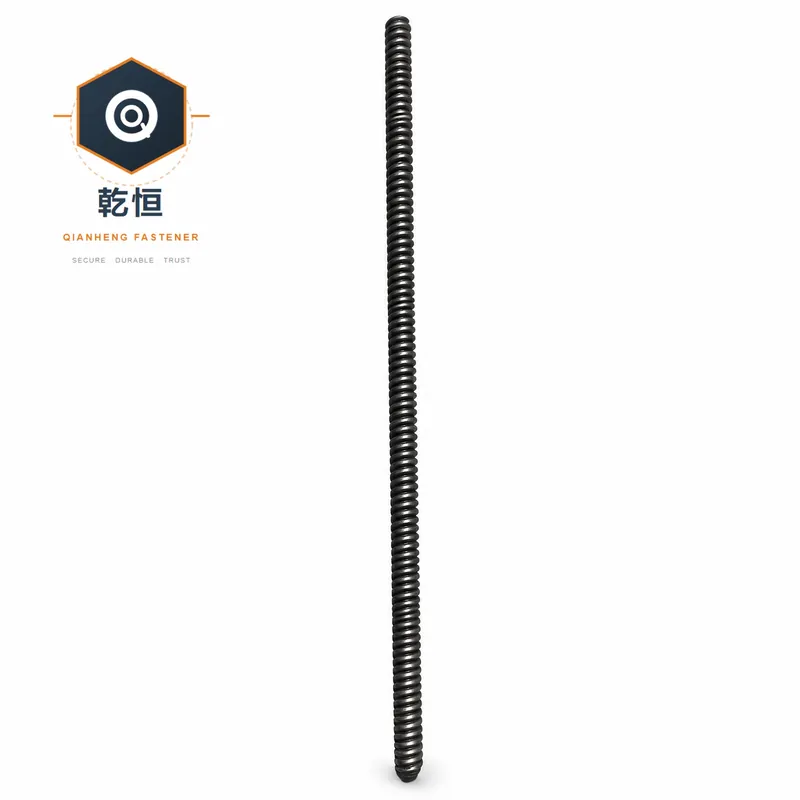
Five-Section Water Stop Tie Rod
Five-section water-stop rod (D14/D15/D20): the middle section with its welded stop plate stays buried, outer sections and cones are recovered, one- or two-sided sealing for basements, tanks and tunnels.
Factory Direct
CNC In-House
Batch QC Reports
OEM to Drawing
Form Tie Rod Series
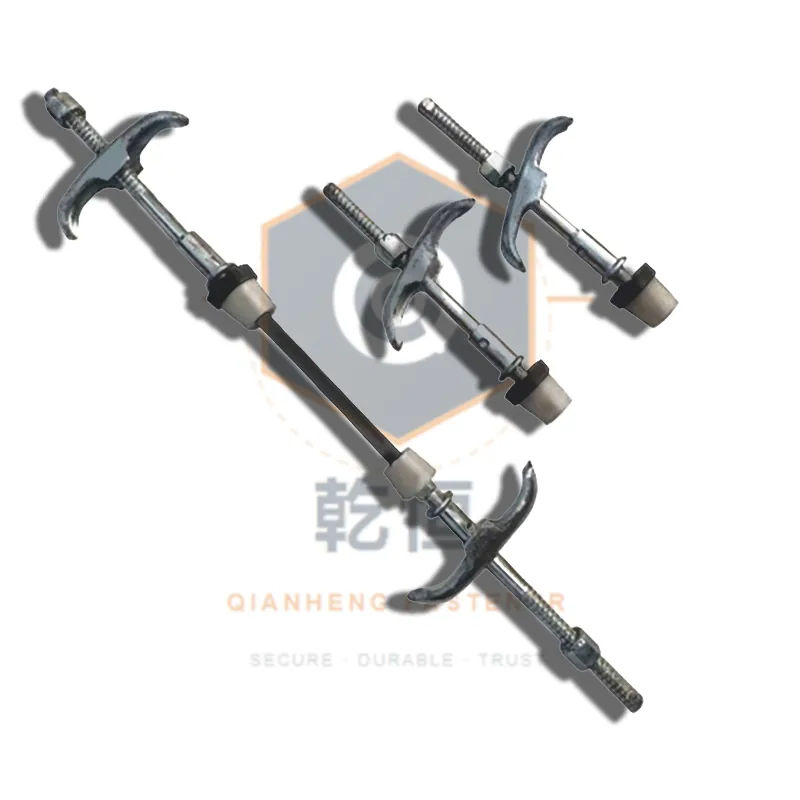
Five-Section Water Stop Tie Rod
Five-section water-stop rod (D14/D15/D20): the middle section with its welded stop plate stays buried, outer sections and cones are recovered, one- or two-sided sealing for basements, tanks and tunnels.
Specifications
Prices are quoted based on product specifications, material/grade, quantity, destination and current market conditions. Contact us for the latest quotation.
Engineering-reviewed quote within 24 hours.
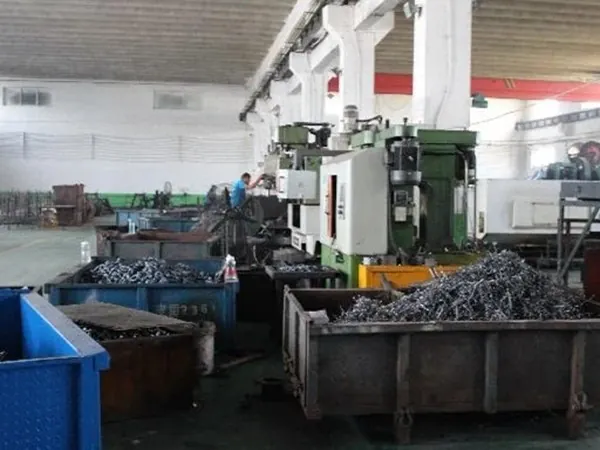
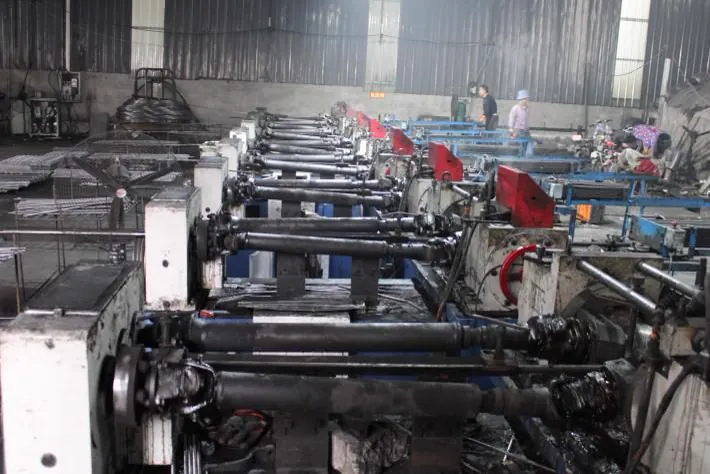
Production Process
 01
 02
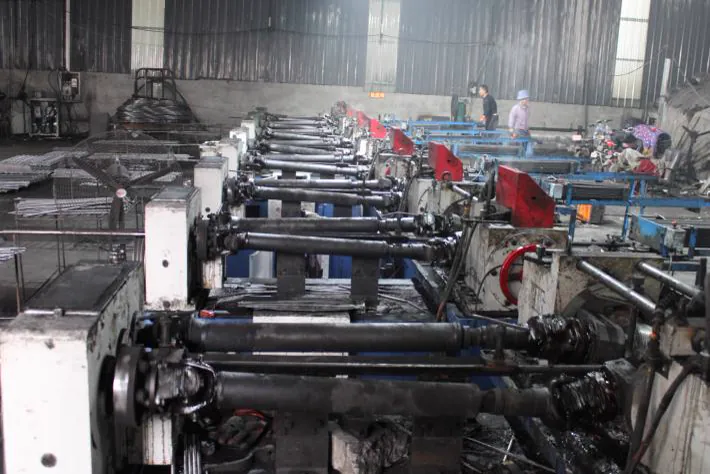 03
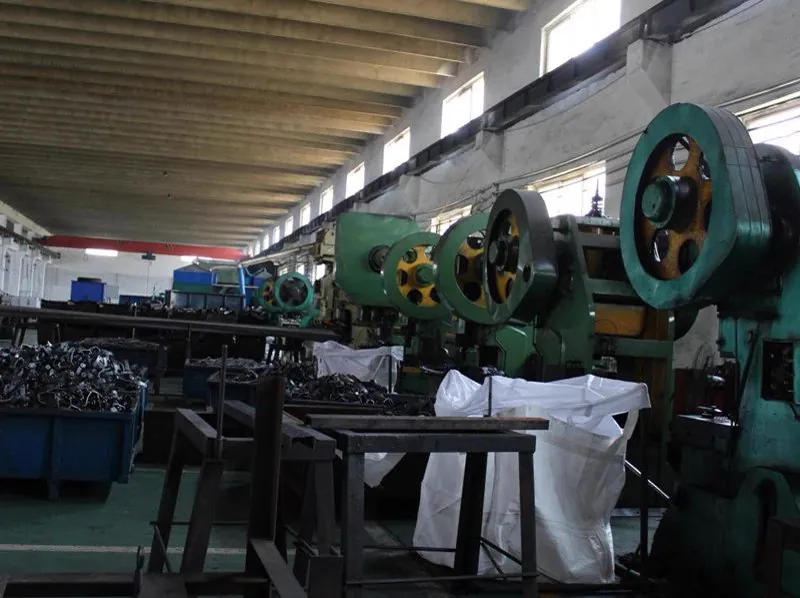 04
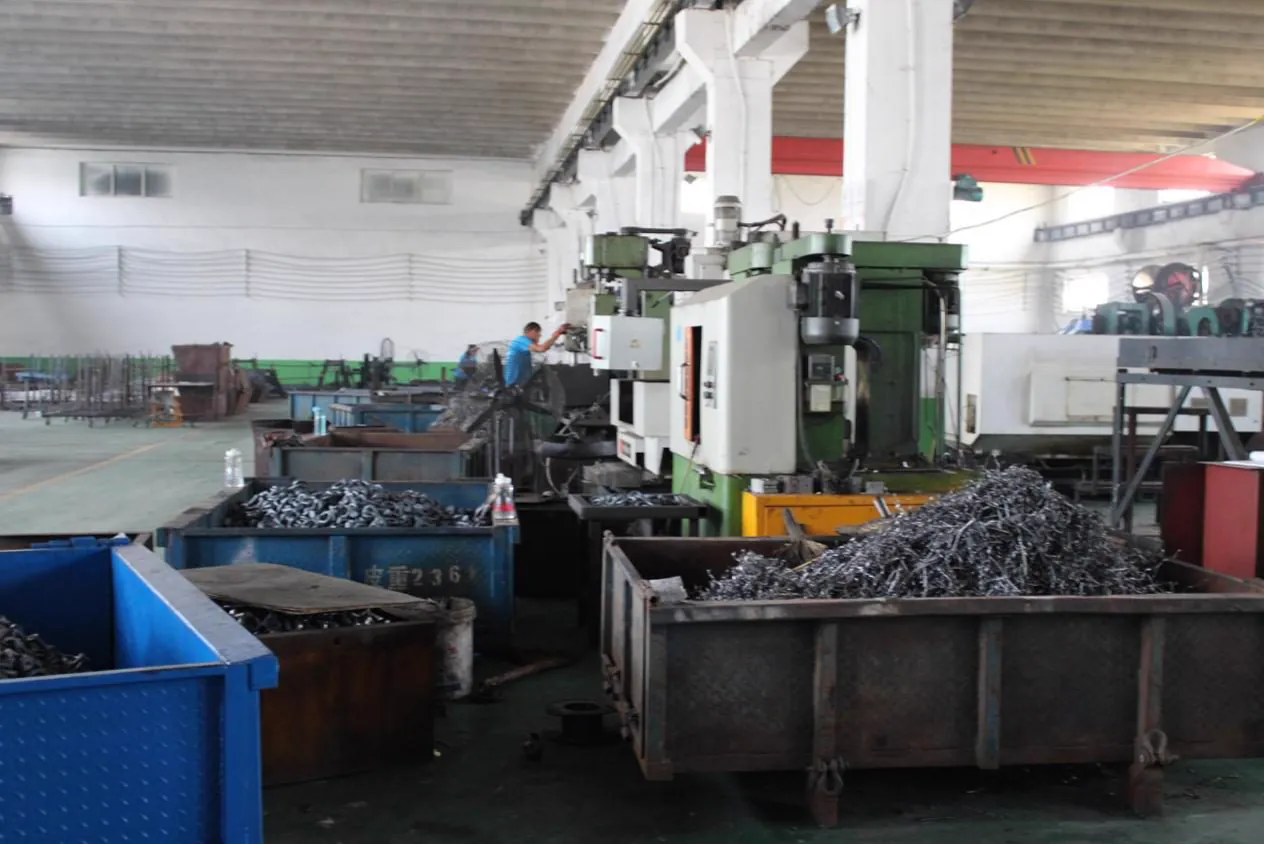 05
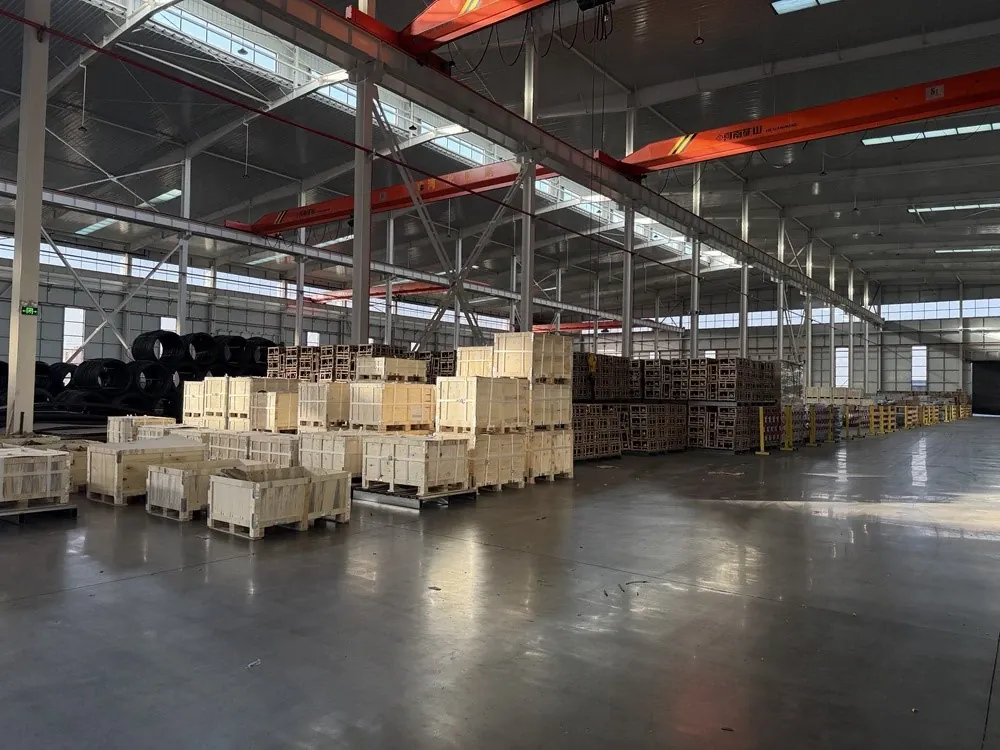 06
Material Grades Explained
| Grade | Notes |
|---|---|
| Q235 | Plain carbon steel. Economic option for light and medium formwork loads. Not heat treated. |
| 45# | Medium carbon steel. The standard formwork tie rod grade in China; quenchable to class 8.8. |
| 40Cr | Alloy steel. Higher hardenability and better fatigue performance than 45#; used where repeated reuse matters. |
| Class 10.9 bolt | Quenched and tempered alloy steel bolt used in the climbing cone set. Not electroplated without a documented baking cycle. |
| QT450-10 | Ductile (nodular) iron with 450 MPa tensile and 10% elongation. Used for sleeves and embedded plates where toughness and castability matter. |
| HRB400 | Hot-rolled ribbed bar (threaded steel) to Chinese standard. Used for embedded foot bolts; good bond with concrete. |
Procurement Information
- OEM / Custom
- Own drawing or label welcome
- MOQ
- Trial orders OK · mixed SKU welcome
- Lead time
- Stock 3d · Custom 7-15d
- Packaging
- Seaworthy: pallet + strapping + waterproof
- Payment
- T/T · L/C at sight
- Incoterms
- FOB Tianjin · CIF · CFR · EXW
Related Technical Reading
Related Products
What Is a Five-Section Water Stop Tie Rod?
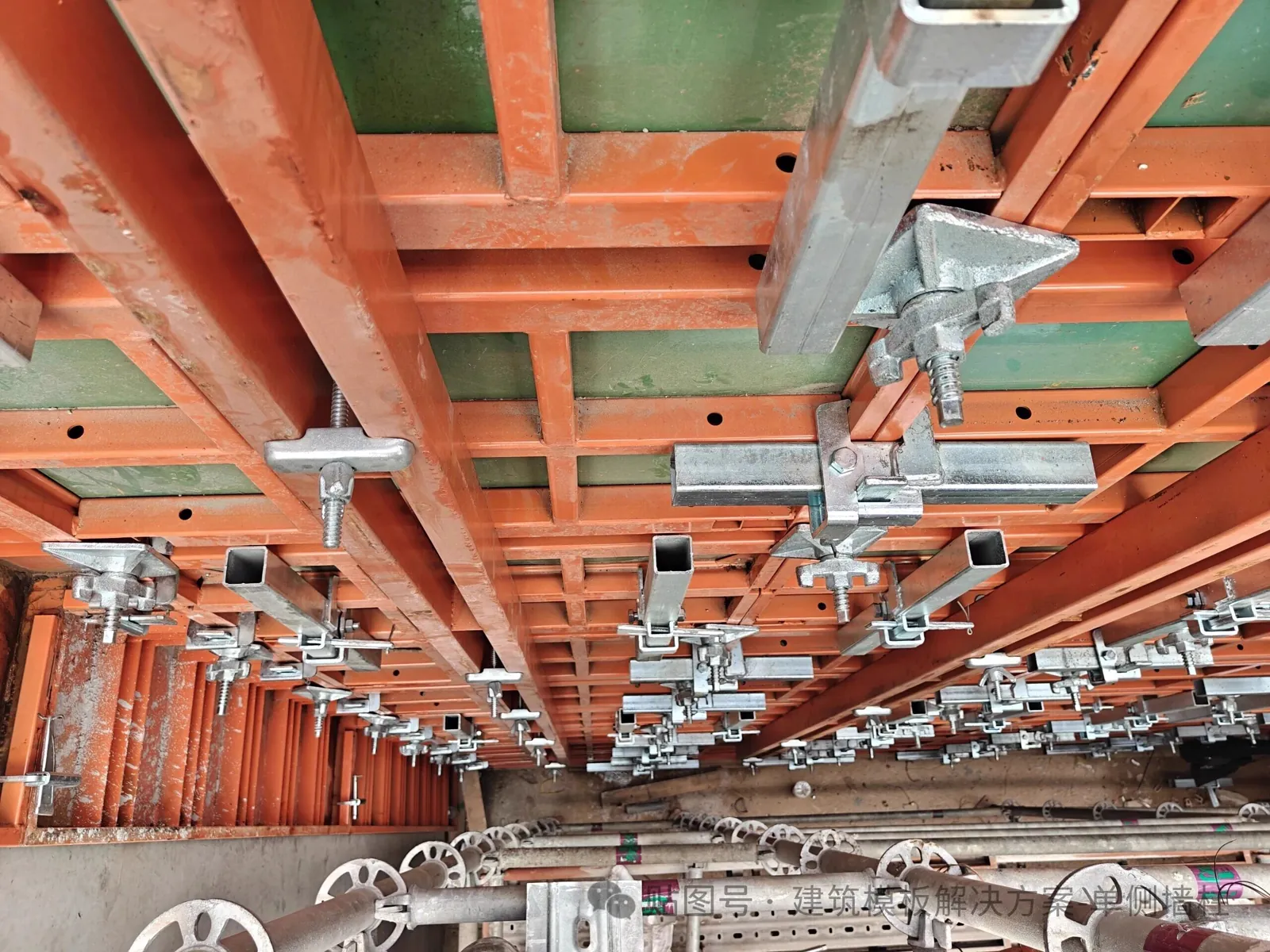
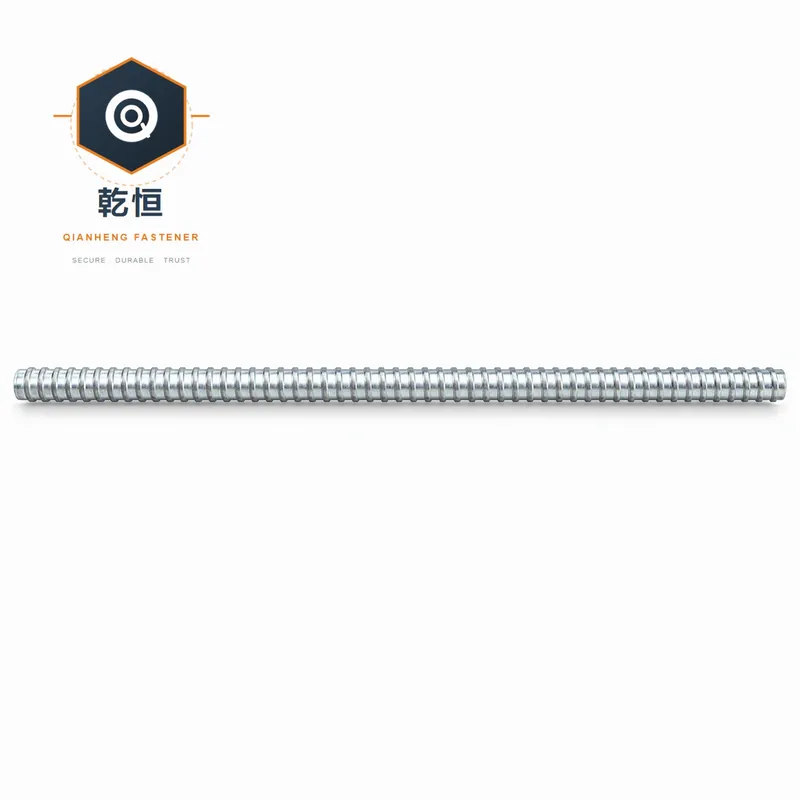
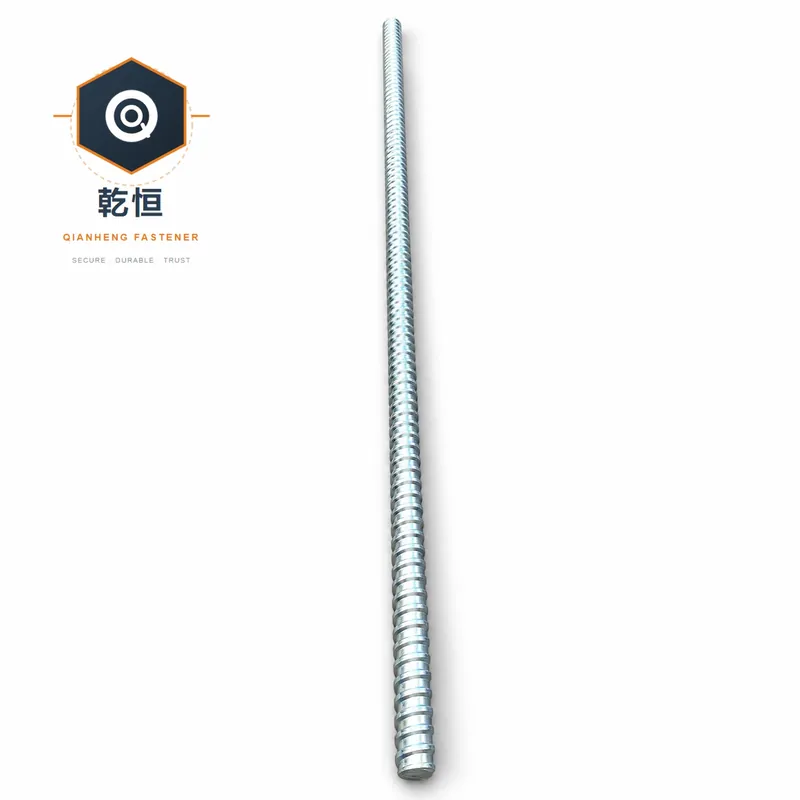
A five-section water stop tie rod is a through-tie system for concrete walls that must hold water back. The set is split into five parts: two outer threaded sections, two taper cones and a centre section carrying the water stop plate. After the concrete has cured, the outer sections and cones are unscrewed and recovered, while the centre section and its welded plate stay cast inside the wall.
How the Water-Stop System Works
The plate welded to the centre section interrupts the seepage path a plain through-tie leaves behind. Water trying to migrate along the tie is forced around the plate and through the concrete cover — a path several centimetres longer, which is what keeps the wall dry. One-sided or two-sided sealing is available depending on which faces of the wall are exposed.
Five-Section Components
- Centre section with welded water stop plate — 120×120 mm sheet or Ø65 mm round, fixed or movable type
- Outer tie rod sections in Q235, matched to D14 / D15 / D20 rods
- Taper PVC cones that leave a recess for post-stripping sealing
- Rubber seals matched to the wall thickness
Installation in Brief
The wall thickness must be exact: the assembled set centres the plate in the wall, so a wrong-length tie puts the water stop off-centre. Cones and rubber seals are fitted before the pour; after stripping, the recess left by the cone is sealed with mortar. Outer sections are recovered and reused; middle sections are single-use.
Five-Section vs One-Piece Water Stop Tie Rod
A one-piece embedded rod is simpler and cheaper per set, but everything except the cones is lost into the wall. The five-section system recovers the outer hardware, which pays back across many pours — and it leaves no through-hole leak path. The full trade-off breakdown is in our five-section vs one-piece comparison. five-section vs one-piece comparison
OEM & Custom Manufacturing
Non-standard plate sizes, rod lengths and thread types are produced to drawing in our own workshop. Send your wall thickness, rod diameter and sealing requirement — we confirm the set configuration and quote against your specification.
Technical FAQ
Five-Section Water Stop Tie Rod — Answers for Engineers and Buyers
Only the middle section is lost in the wall; the two outer bars are unscrewed and reused. This cuts consumable cost significantly on large projects while keeping the watertight water-stop plate in place.