
Choosing a tie rod system is a decision about where the load goes, not about which part looks best on the quotation. Three families cover almost every formwork situation: the through-tie, the single-sided embedded bolt, and the water-stop tie rod. They are not competitors so much as answers to three different structural problems, and picking the wrong one is expensive in a way that only shows up after the pour.
This article sets out a decision framework: how each system transfers load, what each costs on site, which applications justify which, and where combining them makes sense.
The three systems in one paragraph
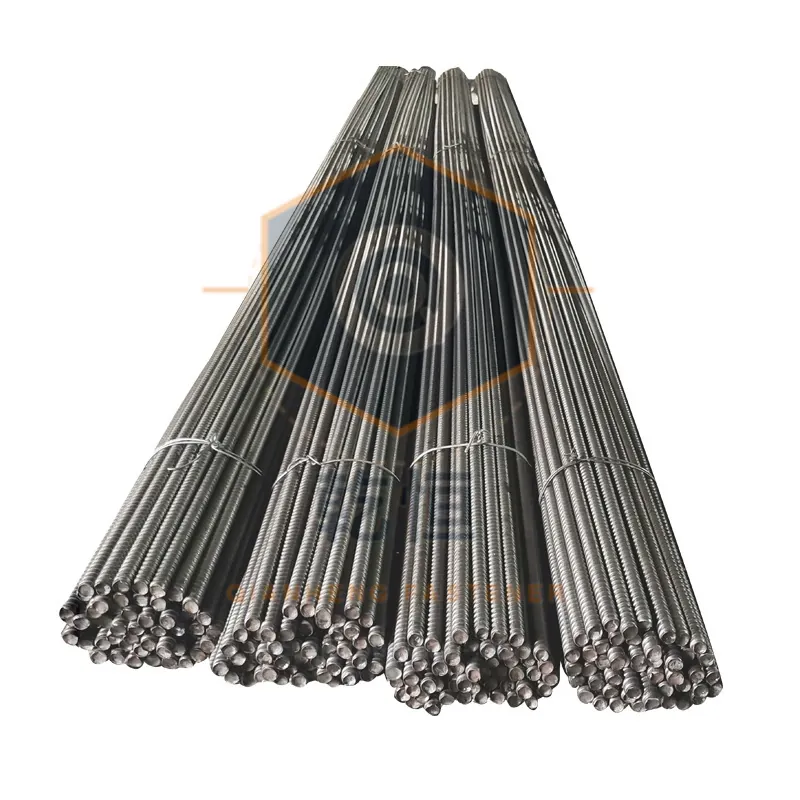
A through-tie passes a rod through the full thickness of the wall, with plates and nuts on both faces. It is the simplest system, the cheapest to install, and it leaves a hole the full width of the wall. Where that hole must not admit water, the through-tie is the problem to solve.
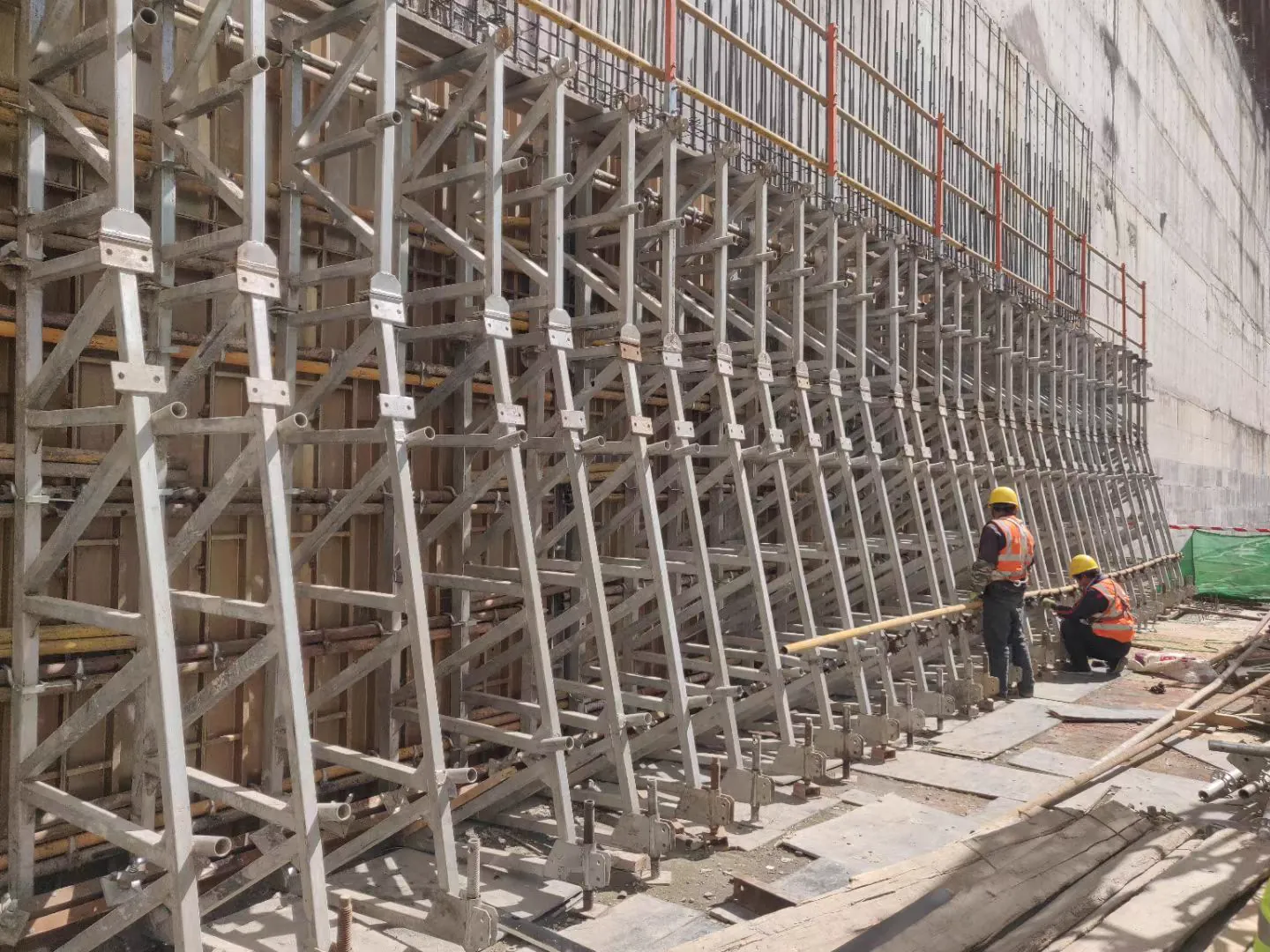
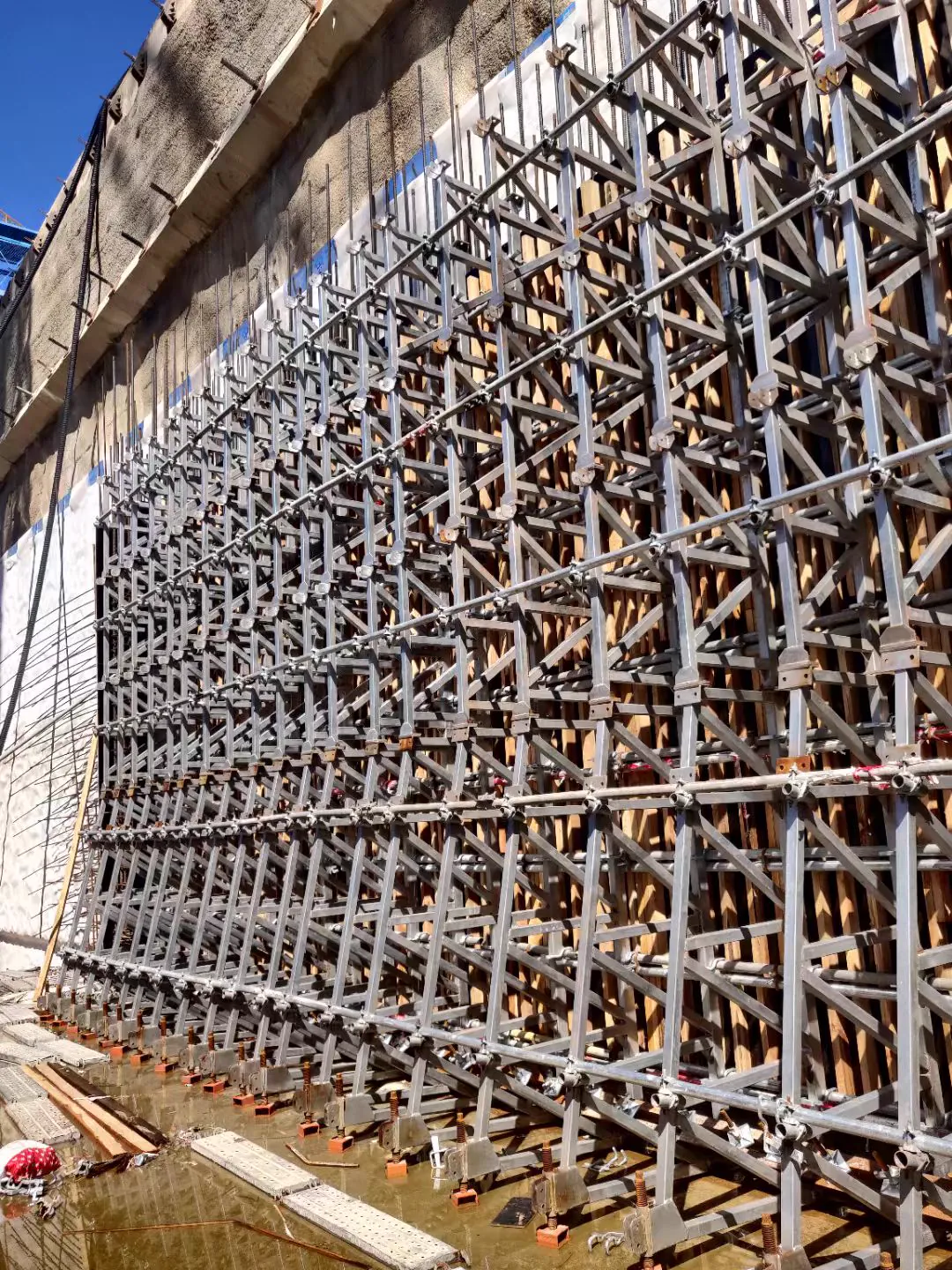
A single-sided embedded bolt anchors into the concrete from one face only, typically a cast-in anchor or a square base plate on a stud. It needs something to react the pressure behind the panel — normally walers and a bracing frame, or an existing wall or rock face. It leaves the back of the wall clean, which is why it is used for basements, subway stations and one-sided pours against an existing structure.
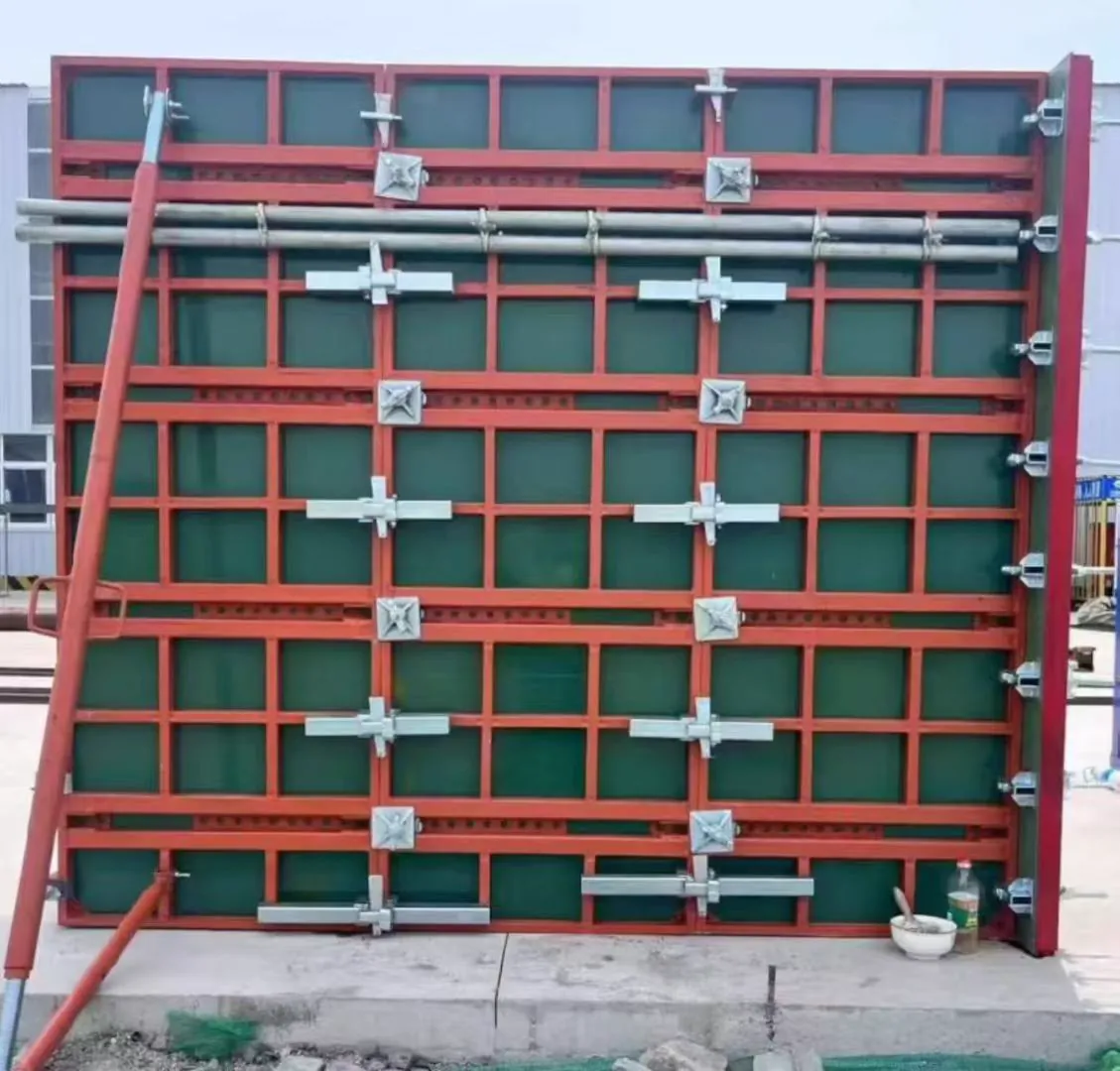
A water-stop tie rod is a through-tie with a plate welded to the middle section, sized larger than the rod. The plate interrupts the capillary path and the middle section remains embedded after striking, so there is no continuous hole through the wall. It costs more than a plain through-tie and is only justified where water exclusion is a requirement.
What each system costs on site
The comparison that matters is installed cost, not unit price.
| Through-tie | Single-sided | Water-stop | |
|---|---|---|---|
| Hardware per unit | Lowest | Low | Highest |
| Backing structure needed | None | Walers + bracing or existing face | None |
| Wall thickness limit | Practical to ~300 mm | Any | Practical to ~500 mm |
| Hole through wall | Yes | No | No |
| Water exclusion | Not achievable | Achieved if detail designed | Achieved |
| Strike and make-good | Simple plug | Simple finish | Chase out cones, fill recesses |
The row that changes decisions most is the backing structure. A single-sided system on a wall with no support behind it needs walers, a bracing grid and a stronger panel, and that steel can easily exceed the cost of the through-ties it replaced. On the single-sided bracing grid the waling becomes a structural member rather than secondary framing.
When a through-tie is the right answer
Use a plain through-tie when the wall does not need to exclude water and both faces are available for access. This covers most above-ground commercial walls, columns, slabs, stair cores and internal partition walls.
Two practical points on through-ties that buyers get wrong:
- Do not optimise the rod diameter for the load and forget the spacing. Halving the spacing reduces the moment on the waling more than doubling the rod diameter reduces deflection. Spacing is the stronger lever on almost every wall.
- Match the rod grade to the concrete, not only to the load. A higher-strength rod in poor concrete can fail by pulling out, because the cone of concrete that anchors it governs before the steel does. This is covered in more detail in tie rod grade selection and D15 safe working load calculation.
When a single-sided anchor is the right answer
Single-sided anchoring is the correct choice when one face of the wall is inaccessible or must stay clean:
- Basements and foundation walls where the excavation face is soil or rock
- One-sided pours against an existing structure, where there is no room for a second form face
- Metro and tunnel work where the excavation side cannot be formed
- Any wall where post-strike access to the back face is impossible
The decision point is whether a reacting face exists. If it does, single-sided anchoring is straightforward. If it does not, you are buying a bracing frame, and the comparison should be made against the total steel cost, not against the price of one tie rod.
When a water-stop tie rod is the right answer
The water-stop detail earns its cost only where water exclusion is specified. The realistic list is:
- Basement retaining walls below the water table
- Water tanks, swimming pools and reservoirs
- Tunnels and metro stations
- Retaining walls and underground structures in water-bearing ground
Where there is no water-exclusion requirement — an above-ground wall, a column, a temporary structure — the extra cost buys nothing.
The mechanism is worth understanding before specifying it. A normal through-tie leaves a continuous hole, and water travels along it by capillary action, driven by hydrostatic head where one exists. Grouting shortens the path but does not remove it: grout shrinks, bonds poorly at the interface and has no mechanical grip in the concrete. The welded plate is larger than the rod and sits at mid-thickness, so water following the rod-concrete interface has to break bond on both faces and travel radially well outside the original ring. The full detail is in how the water-stop plate works.
Combining systems on one structure
Mixing tie types on one structure is normal and often correct. A basement retaining wall might use water-stop ties below grade and plain through-ties above, where the water table falls away. Two rules apply:
- Do not mix within a single pour where the visible finished face has to look consistent.
- Do not mix where the two systems have different pull-out characteristics in the same concrete pour, because the weaker of the two governs and the design does not know which one it is.
What to check before ordering
- Does the system you have chosen match the reacting structure available on site?
- If it is single-sided, is the backing steel included in the scope, and who designs it?
- If it is water-stop, is the plate material and coating specified, along with the cone taper?
- Are rod grade and spacing both stated, with the waling designed for that spacing?
- Is the position tolerance stated, and is it the same for every rod on the pour?
If any of those is unanswered on the quotation, the cheapest place to fix it is the purchase order.