
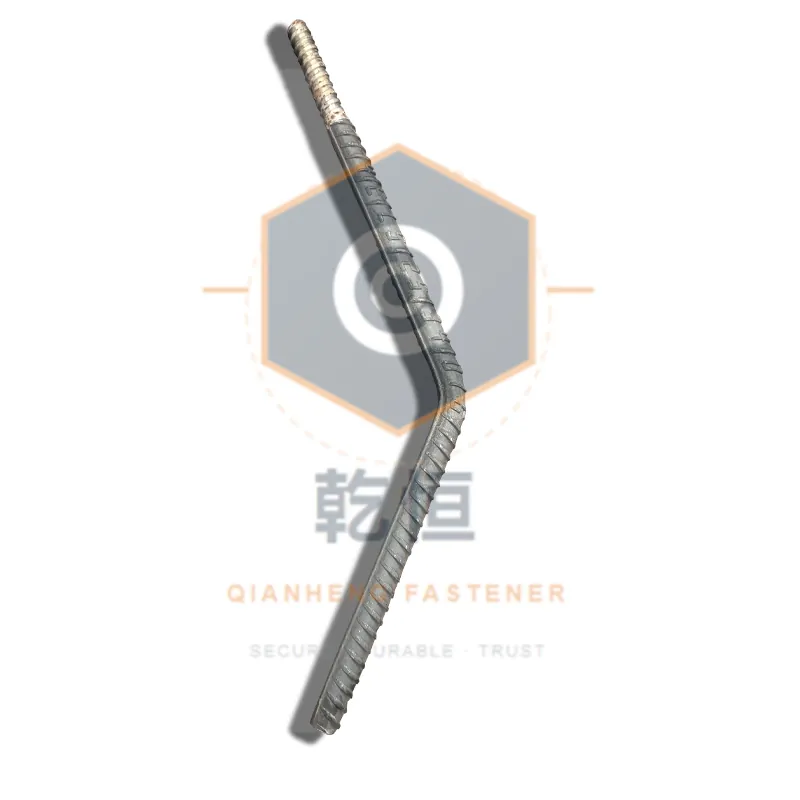
An anchor that stays in the structure is a durability decision made at procurement, not at the pour. Once embedded, coating cannot be inspected, repaired or upgraded.
Recoverable vs permanent
RECOVERABLE systems leave a hole: the rod or anchor is withdrawn after the pour and the void is filled. Cost per use is lower for high-reuse items and inspection is possible between cycles. The trade-off is a penetration that must be repaired, and a repair that has to be waterproof where water exclusion matters.
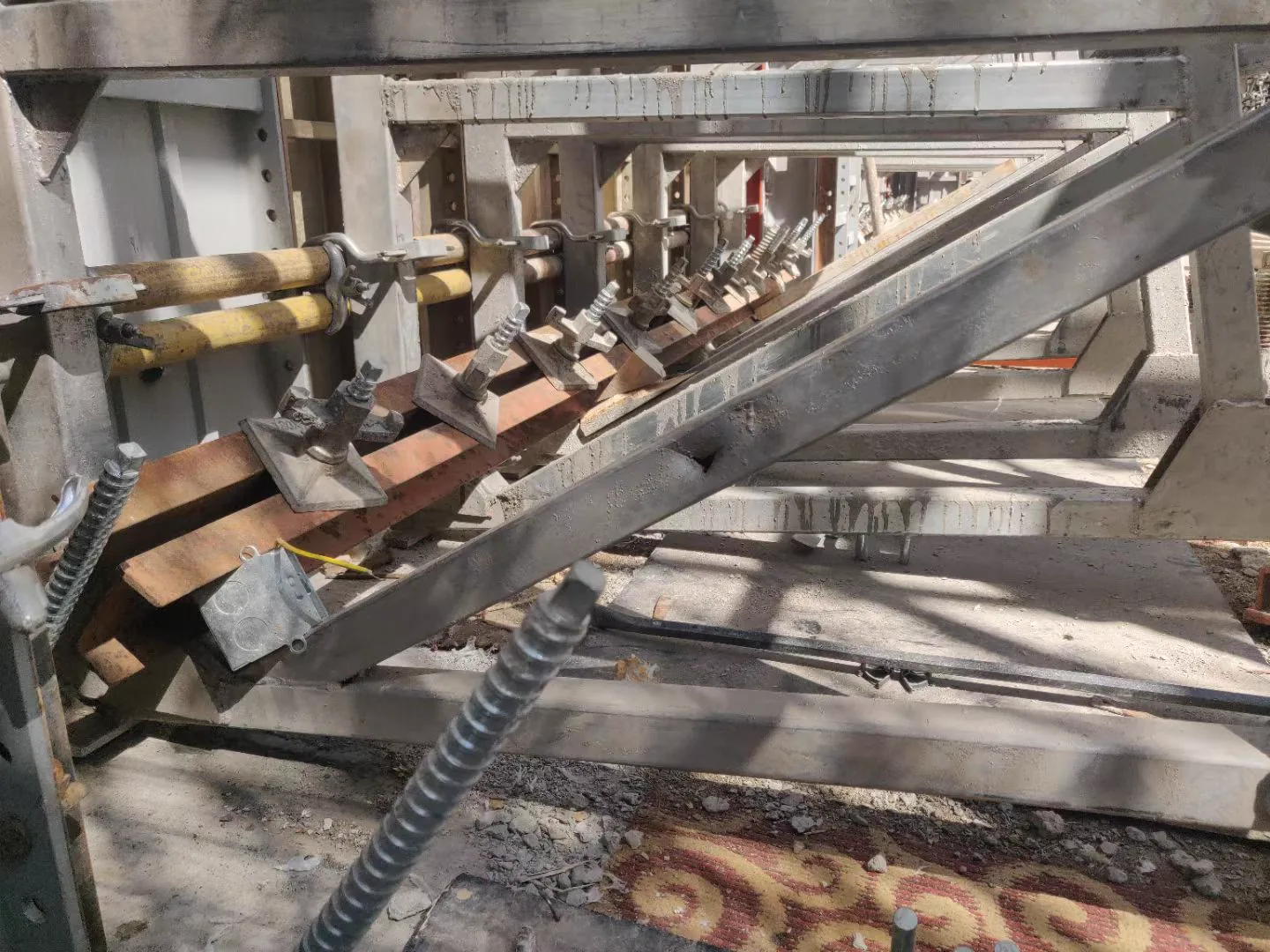
PERMANENT systems leave hardware in the concrete: embedded anchors, prestressed bars, cast-in sockets. The load path is direct and there is no void to fill, but corrosion protection must last the design life with no maintenance access.
The decision usually follows from water exclusion and load type. Basements, tanks and coastal structures often require permanent stainless or heavily galvanized hardware; temporary above-ground works favour recoverable systems.
Embedment depth
Embedment is set by the governing failure mode, one of: steel rupture, concrete cone breakout, side-face blowout, or pull-out of a mechanical anchor. Depth must satisfy all of them, and concrete strength at the time of loading matters as much as design strength.
For cast-in items the design normally follows a recognised method (concrete capacity design, or the manufacturer's European Technical Assessment) and depends on concrete class, edge distance, spacing and applied tension. Two rules violated in practice almost every time: edge distance below half the embedment depth, and spacing below three times the embedment depth. Both cut capacity sharply.
Where a climbing system loads the anchor early — during the next lift — check the required concrete strength at transfer, not only the 28-day strength. Lifting formwork from green concrete is the classic early-age failure.
Coating decisions that cannot be reversed
For permanent embedment in an exposed or humid environment, hot-dip galvanizing at 45-85 µm is the baseline. For coastal and chloride exposure, stainless (typically 304 for moderate, 316 for chloride-rich) or a duplex system is required; galvanized carbon steel in chloride corrodes at a rate that matters within the design life.
Two practical points: coating damage during handling must be repaired before the pour, and the zone where the anchor meets the concrete surface is where corrosion starts — inspect that zone most carefully.
Specification checklist
State material and grade, coating standard and thickness, embedment depth and the method used to set it, edge and spacing constraints on the drawing, concrete class assumed, minimum concrete strength at the time of loading, and the tests required (batch test report, plus a pull-out test sample for critical applications).
Add the setting tolerance. An anchor set 10 mm deeper than designed may change the failure mode; a depth-controlling setting tool is cheaper than a redesign.