
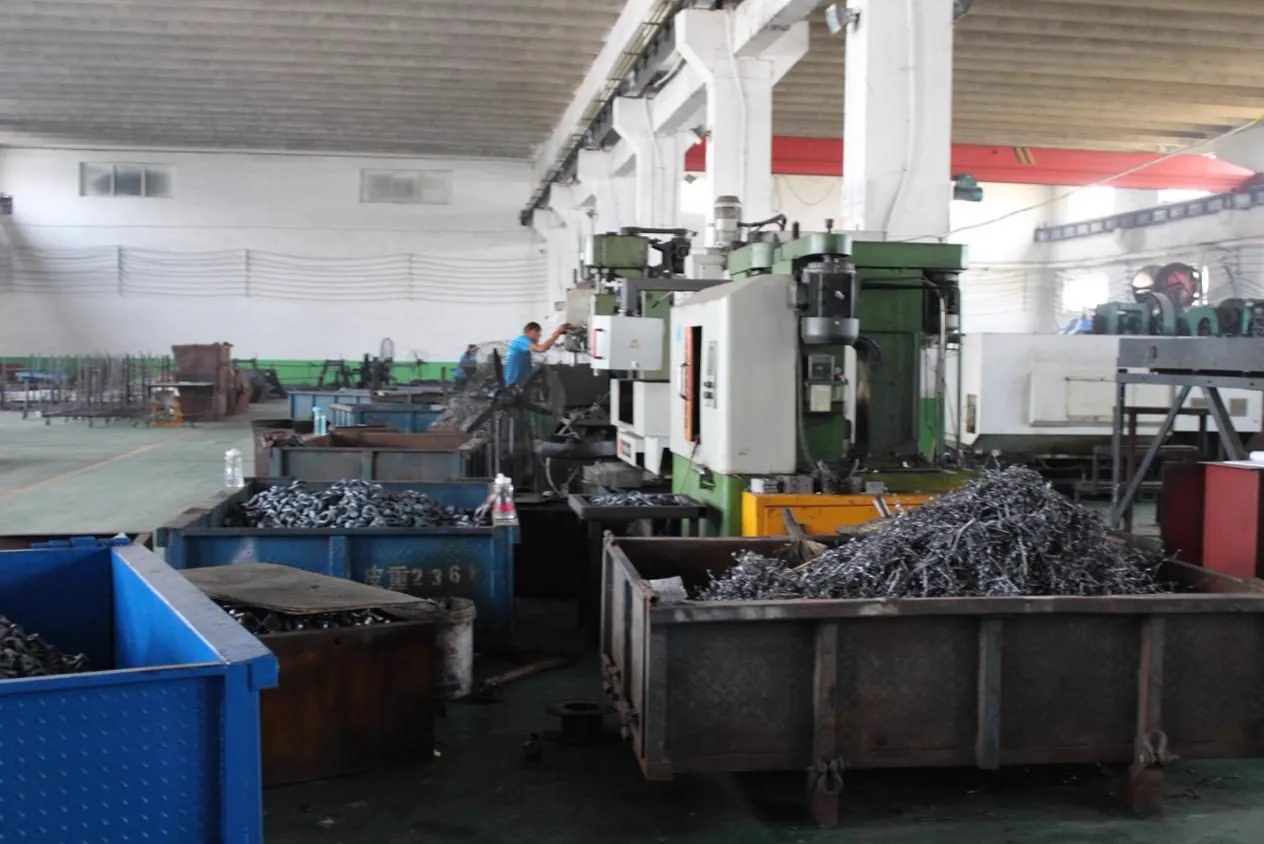
Lead time estimates fail because they are quoted as one number without the assumptions behind it. Breaking the programme into stages shows which parts compress and which are physics.
A realistic sequence for a custom item
- Enquiry review and quotation: 1-3 working days if the drawing is complete. Incomplete drawings restart this clock — the most common cause of a slow start is a missing tolerance or material spec.
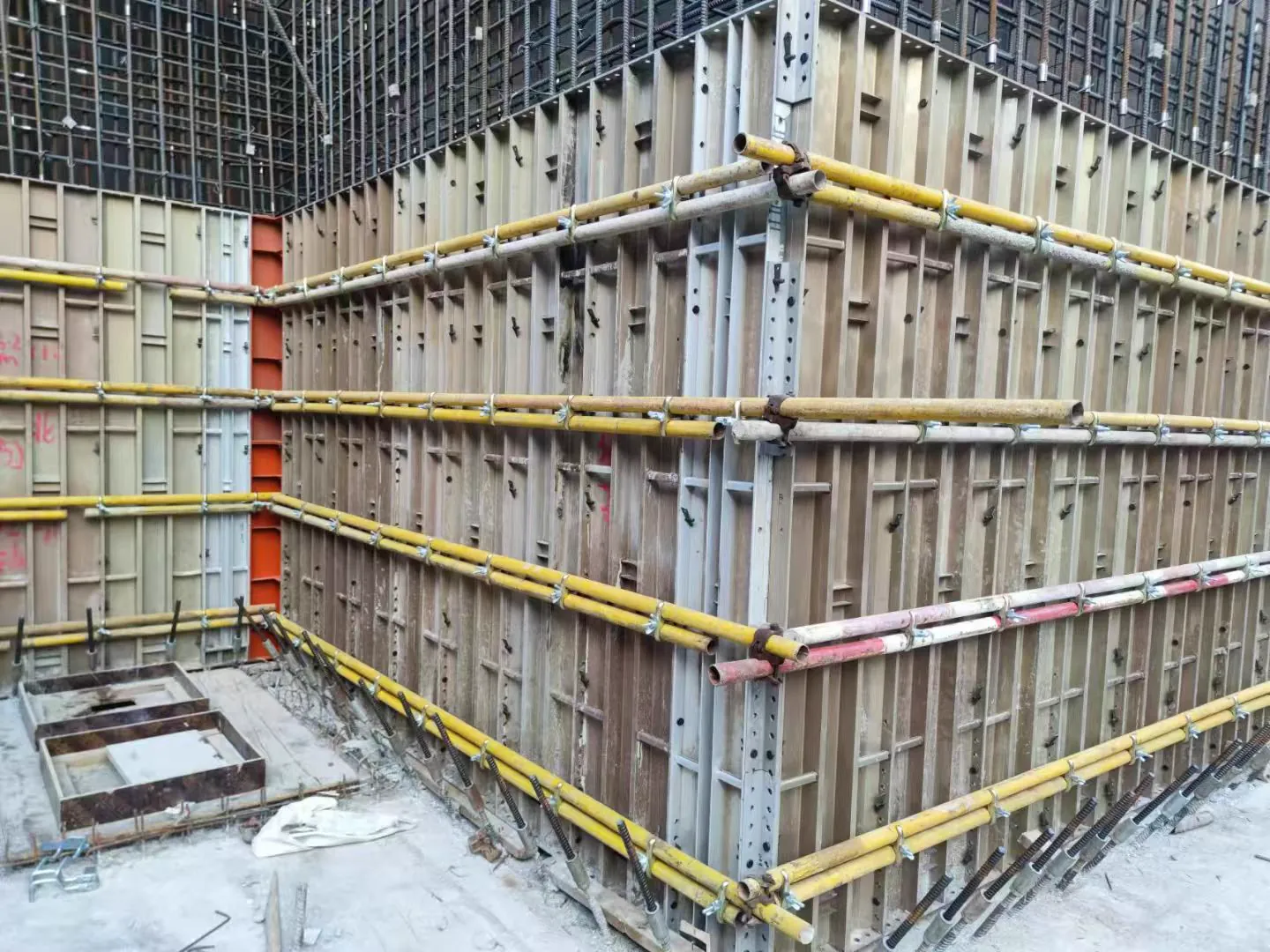
- Drawing clarification and DFM feedback: 2-5 days, overlapping with quotation. The questions that must be answered here: which tolerances are functional, whether coating goes on before or after threading, and whether the sample must come from the production process.
- Raw material: this cannot be compressed by pressure. Common grades are stocked and add days; special grades, non-standard diameters or unusual stainless sizes may involve mill lead time measured in weeks. Confirming material availability early is worth more than negotiating price.
- Tooling or setup: existing dies and programmes add a day; new tooling for a non-standard head or thread can add 1-3 weeks and is usually non-recurring cost.
- Sampling: 3-10 days depending on the process chain. Heat treatment and coating often run in batches on a schedule, so a sample may wait for the next batch — a real constraint that is invisible on a Gantt chart.
- Sample inspection and shipment: 1-3 days plus transit. For an overseas buyer add courier time and the days the sample sits waiting for a signature.
- Approval: buyer-controlled. The step most often assumed instantaneous and most often taking a week.
- Production: 2-5 weeks for a moderate batch of machined parts, longer where heat treatment and coating are involved or volume is large.
- Inspection, packing and inland transport to port: 3-7 days. Packing per BOM or drawing structure adds time worth planning for.
What compresses and what does not
COMPRESSIBLE: parallel processing of sample and bulk material procurement, with the risk understood; early drawing clarification; combining coating of sample and bulk in one batch; pre-booking a container slot.
NOT COMPRESSIBLE by pressure: mill lead time for special material, heat-treatment cycle time, coating cure, ocean transit. Trying to compress these converts a delay into a quality problem.
Managing risk inside the schedule
Order long-lead material against the enquiry, with a cancellation window, when the item is critical.
Ask for sample approval to be binding within a stated number of days, with silence treated as acceptance only if the buyer agreed to that rule in writing.
For phased projects, align production to the construction sequence and ship in instalments. Storing a year of fasteners on site costs more than the freight saved.
The number to quote internally
Quote the buyer a date, and give your own project that date minus transit and approval window. The difference is the schedule risk, and it belongs to whoever owns the interface — usually the party controlling approval.