
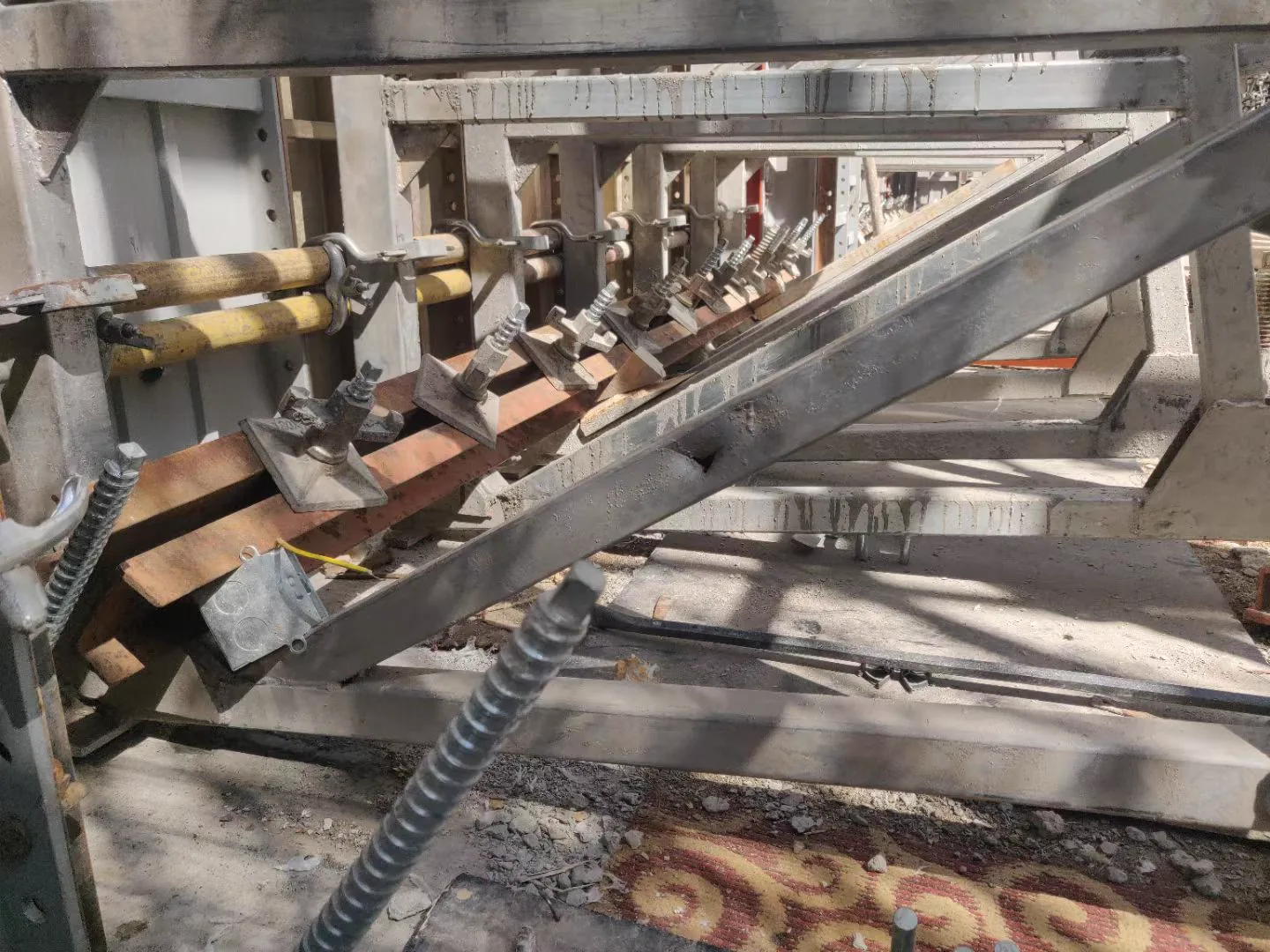
Tie rod tolerances are where a cheap quote and an expensive shipment diverge. The part that is 8 mm short will not reach the waler, and the part that is 8 mm long pushes the panel out of alignment on every pour.
The four tolerances that matter
OVERALL LENGTH: normally ±2 mm for cut-to-length rods under 3 m, and ±5 mm or better for longer bars. If the drawing specifies an assembled length including cones and nuts, the tolerance budget must cover rod, cones, nut position and thread run-out together — not each part in isolation.
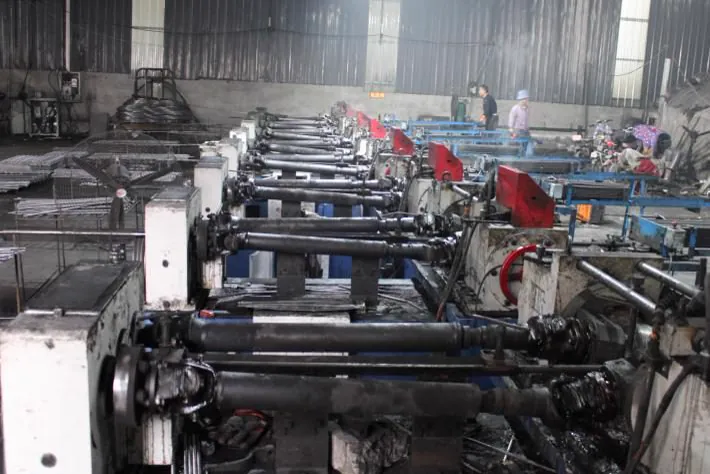
THREAD LENGTH AND RUN-OUT: how much thread is cut, and how far past the intended stop it continues. Insufficient thread limits nut travel and reduces adjustment range; excessive run-out lets the nut run onto the unthreaded shank and lose engagement.
STRAIGHTNESS: deviation from a straight line over full length, commonly 1-2 mm per metre for D15-D20 rods. Straightened bends leave residual stress and are a fatigue concern.
THREAD QUALITY: gauge fit (go/no-go), flank condition, and absence of laps or tears from a worn die. Rolled threads should show a smooth flank with no visible seam at the crest.
Writing the specification
A defensible line on the purchase order reads: "D20 tie rod, class 8.8, length 3000 mm ±3 mm, thread per DIN 976, thread length 250 mm +5/-0, straightness max 2 mm/m, hot-dip galvanized to ISO 1461 min 45 µm, thread gauged 6g/6H after coating with matched oversize nuts, batch tensile report required."
Every clause there is checkable. "Good quality" is not.
Goods-in inspection that takes ten minutes
Length: measure three rods per bundle with a tape on a flat surface, not a caliper on a curved one.
Straightness: roll the rod on a flat steel table. A bent rod shows a gap and rocks; a straight one does not.
Thread: run a go gauge on the first rod of each bundle, and a no-go gauge on any rod that feels tight by hand. The go gauge must pass by hand with light effort; the no-go gauge must not enter more than two turns.
Thread length: measure from the rod end to the last full thread with a steel rule.
Nut fit: thread a nut on by hand. Any need for a wrench at this stage predicts a seized joint on site.
Marking: check the heat number on the bundle tag against the mill certificate and test report.
When a shipment fails
Do not accept a promise to sort it on site. Segregate the failing bundle with a rejection tag, photograph the measurement with the tape visible, and quote the purchase order clause in the non-conformance note. Sorting mixed lengths on site is how one wrong rod ends up in a pour forty metres up a wall.
If the deviation is length only and the rods are otherwise sound, the workable options are re-cut to length where thread length allows, use where shorter rods are acceptable, or return. Decide by drawing, not by convenience.