
A lead time slips in small increments that are each explained away, and the buyer discovers the problem when the vessel sails without the cargo. Structured follow-up catches the slip while there is still time to react.
Checkpoint 1: order acknowledgement (within 2-3 days)
Ask for a written acknowledgement that lists what was ordered: specification, quantities, delivery date and Incoterm. The acknowledgement is where an ambiguity surfaces cheaply. Compare it line by line with your purchase order rather than filing it.
Checkpoint 2: material confirmation (within 1 week)
Ask for confirmation of the material grade, the heat numbers reserved for the order, and the expected arrival date for any material not in stock. If special material is involved, this is where the schedule is really decided.
Checkpoint 3: sample or first-article status
For custom items, ask for the sample despatch date and the courier tracking number, not for a status word. A tracking number is evidence; "in progress" is not.
Checkpoint 4: production start and progress
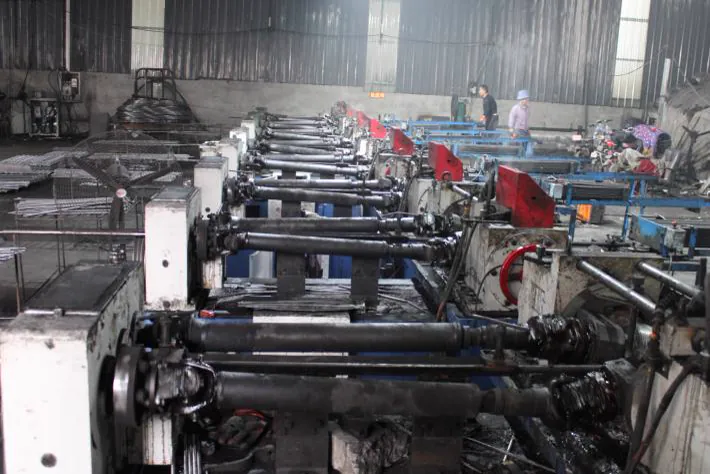
Ask for the production start date confirmed against the agreed schedule, and then a weekly progress number: quantity completed, quantity in coating, quantity inspected. Photographs of the production area with the parts in them are useful, but the quantity figure is what predicts the delivery date.
Watch for the pattern where quantities stay at zero for two weeks and then jump: it usually means the order was queued behind another customer and has just been started late.
Checkpoint 5: inspection, packing and despatch
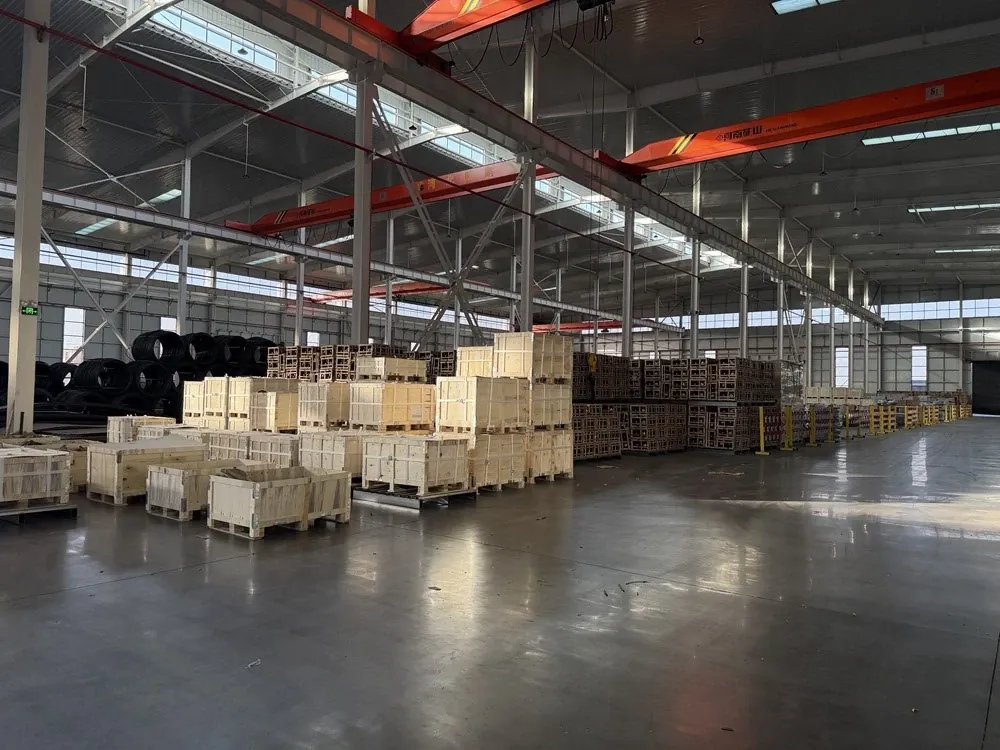
Ask for the inspection report, packing photographs and the booking confirmation for the vessel or flight. Requesting loading photographs before departure rather than after is the practical control on both quantity and condition.
Early warning signals
Answers become vague rather than precise. A supplier with a healthy schedule answers with dates and numbers; one with a slipping schedule answers with reassurances.
The contact person changes, or replies require chasing twice.
Requests for a partial advance payment beyond the agreed terms, which can indicate a cash constraint affecting material purchase.
A proposed change in coating or heat-treatment subcontractor part-way through the order — a common source of both delay and silent specification change.
When the schedule does slip
Decide early between accepting a later date, splitting the shipment (air-freighting a partial quantity to keep the site working), or sourcing the shortfall elsewhere. The cost of air freight for the critical quantity is usually far below the cost of a stopped site, and the decision is much cheaper if it is made at the first signal rather than the last.