
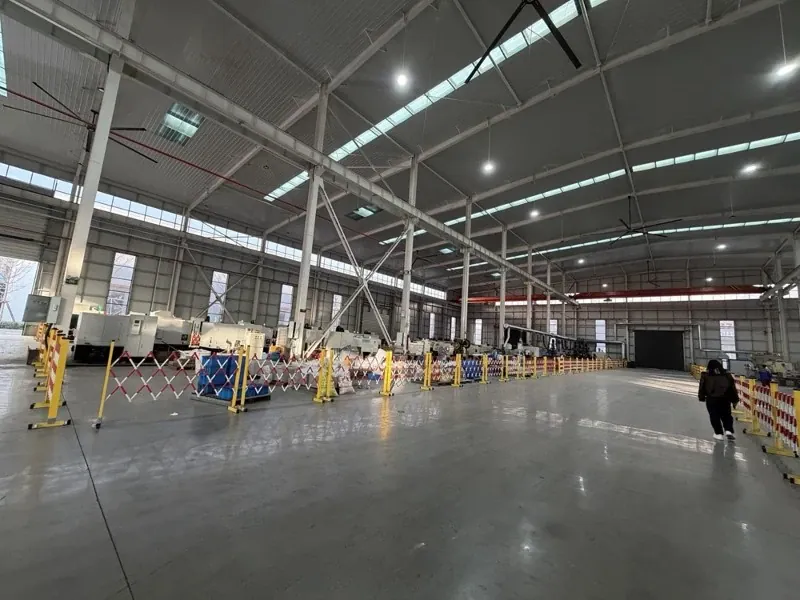
An audit is not a tour. It is a structured check that the process described in the quotation actually exists on the floor and is controlled. Two hours with a checklist beats a day of hospitality.
Before you travel
Ask for: business licence and export licence, the quality management certificate with its scope statement, a list of principal equipment with quantity and age, a typical process flow for your product, and two or three customer references in a similar product category.
Check the certificate scope against your product. An ISO 9001 certificate covering "trading of fasteners" is not the same as one covering manufacturing.
On the floor
RAW MATERIAL: are incoming materials stored separately, identified by heat number, and accompanied by mill certificates? Ask to see the certificate file and match one heat number to a bundle on the rack.
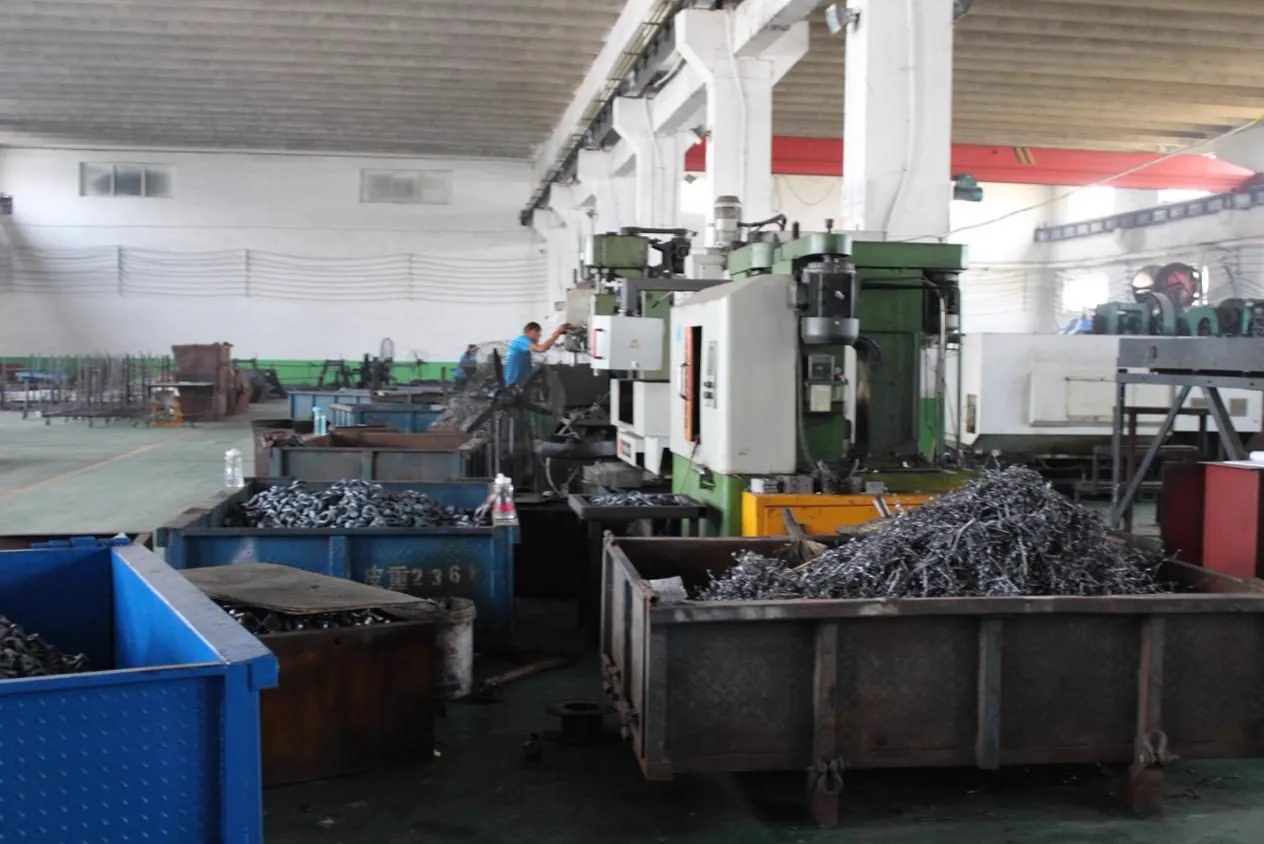
PROCESS EQUIPMENT: count the machines that matter to your product — thread rolling machines, CNC lathes, cold headers, heat treatment furnaces, coating line. A quotation that assumes capacity should be backed by equipment you can see running.
HEAT TREATMENT: the single most important process for high-strength fasteners. Ask for the furnace chart or the process record for a recent batch, and for the hardness testing equipment and the calibration record.
COATING: in-house or outsourced, and if outsourced, who and how controlled. Ask for coating thickness gauge readings on a recent batch and the salt-spray report if claimed.
INSPECTION: are gauges and instruments calibrated, with stickers showing due dates? Ask to see the calibration log and pick two instruments to verify.
TRACEABILITY: take a finished bundle and ask the factory to trace it back to the heat number and forward to the shipment it belongs to. This single exercise reveals more than any document review.
Documents to take away
Quality manual section covering inspection and non-conformance, a sample inspection report, a sample mill certificate, a sample coating report, calibration records for the main instruments, and the corrective action record for the last internal or customer complaint.
Five findings that predict trouble
- No calibration stickers or logs on measuring instruments. Everything measured there is of unknown validity.
- Heat treatment outsourced with no process records retained. High-strength performance is unverifiable.
- Bundles not identified by heat number, so certificates cannot be linked to material.
- Inspection records filled in for every batch with identical values. Real inspection produces variation.
- Capacity claimed from equipment that is not operational, or a quotation volume that exceeds the visible monthly output.
After the audit
Write the findings as observations with evidence, not impressions. For each finding, state what it means for your product and what control you will add — an inspection step, a document requirement in the purchase order, or a third-party test. The audit's value is in those controls, not in the visit itself.