
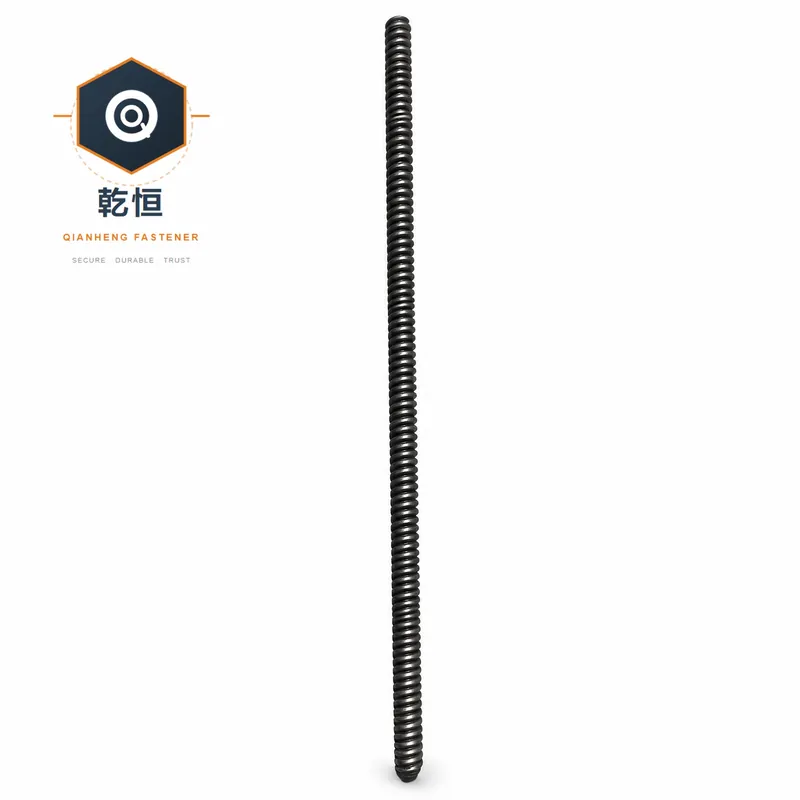
قضيب شد D12
قضيب D12، 0,74 كجم/م، قوة شد مختبَرة 35–42 كيلونيوتن حسب المادة.
- D12 all-thread rod, 0.74 kg/m
- Tested tensile: A195 35 kN · 35K 42 kN (2026 catalogue)
- Length 200–8000mm, cut to length
قضبان شد عالية المقاومة D12 و D15/17 و D20/22 — مكونات أساسية في الشدات المعدنية للجدران والأعمدة، بقوة شد مختبَرة وقصّ بالطول.
قضيب الشد هو الجزء الذي يمسك القالب فعلياً. تغطي هذه السلسلة قضبان D12 و D15/17 و D20/22 وقضيب الشد المدلفن بدقة، مع قوة شد مختبَرة حسب المادة وخيارات الطلاء والقصّ حسب الطول. في التسمية D15/17: D15 هو مقاس القضيب و17 هو مقاس فتحة المفتاح للصامولة المطابقة؛ وفي بعض الأسواق يُطلب القضيب نفسه بمقطع 17/10 (قطر اللولب 17 مم × خطوة 10 مم). وتتبع D20/22 القاعدة نفسها مع صامولة 22 مم. وفي السعودية والإمارات تُعرف هذه المنظومة في الموقع باسم الشدات المعدنية أو الشدات الخشبية حسب نوع الألواح، وقضيب الشد هو مكونها الحامل — وكل ما في هذه السلسلة يُطلب لشدات الجدران والأعمدة والقواعد.
قضيب D12، 0,74 كجم/م، قوة شد مختبَرة 35–42 كيلونيوتن حسب المادة.
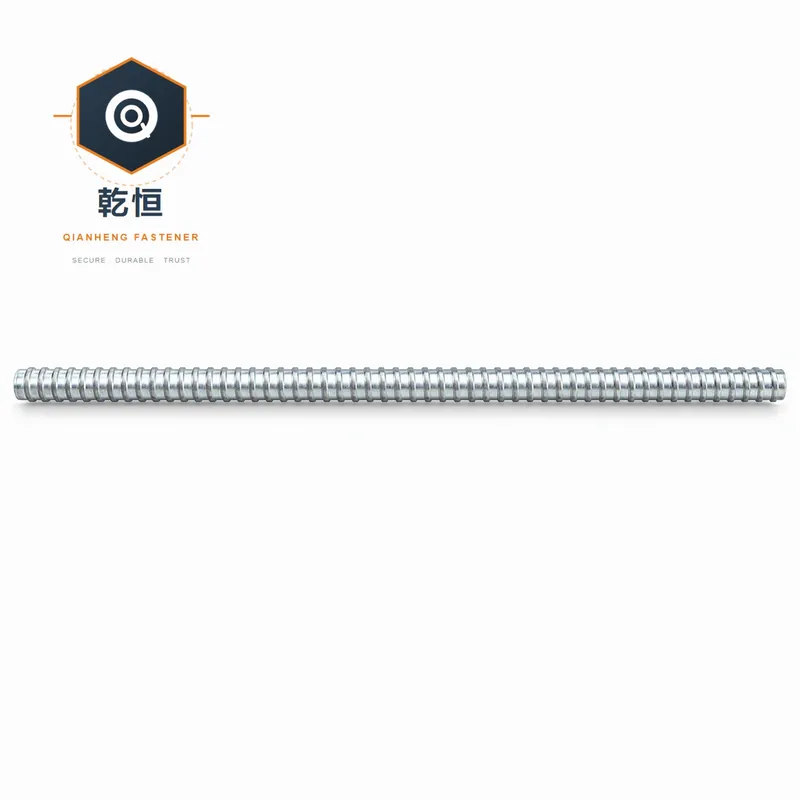
قضيب D15/17 (DW15، مقطع 17/10)، 1,47–1,50 كجم/م، قوة شد مختبَرة 110–180 كيلونيوتن حسب المادة.
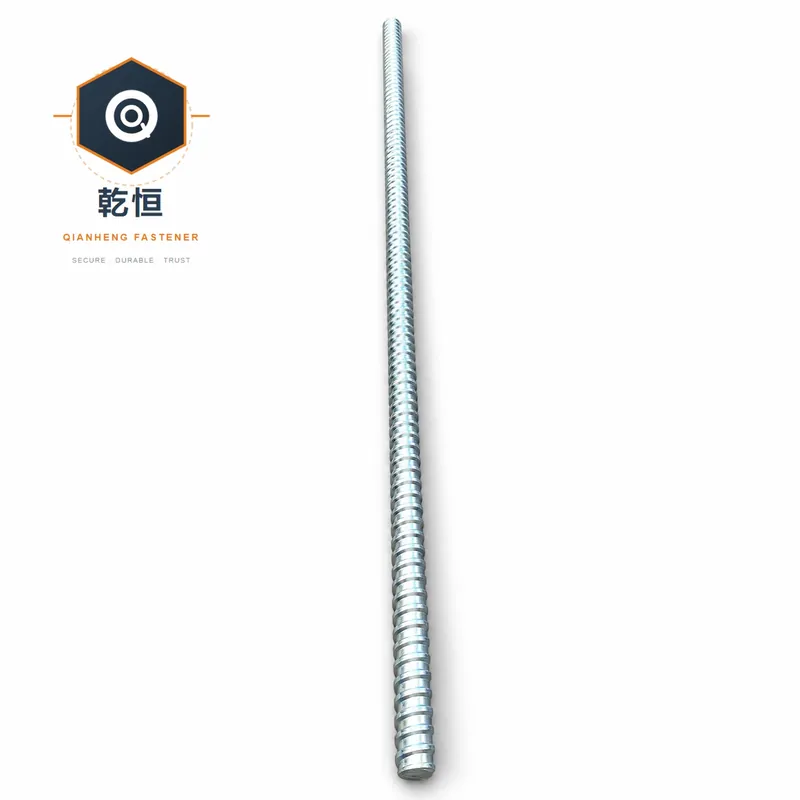
قضيب D20/22، 2,60 كجم/م، قوة شد مختبَرة 210–240 كيلونيوتن حسب المادة.
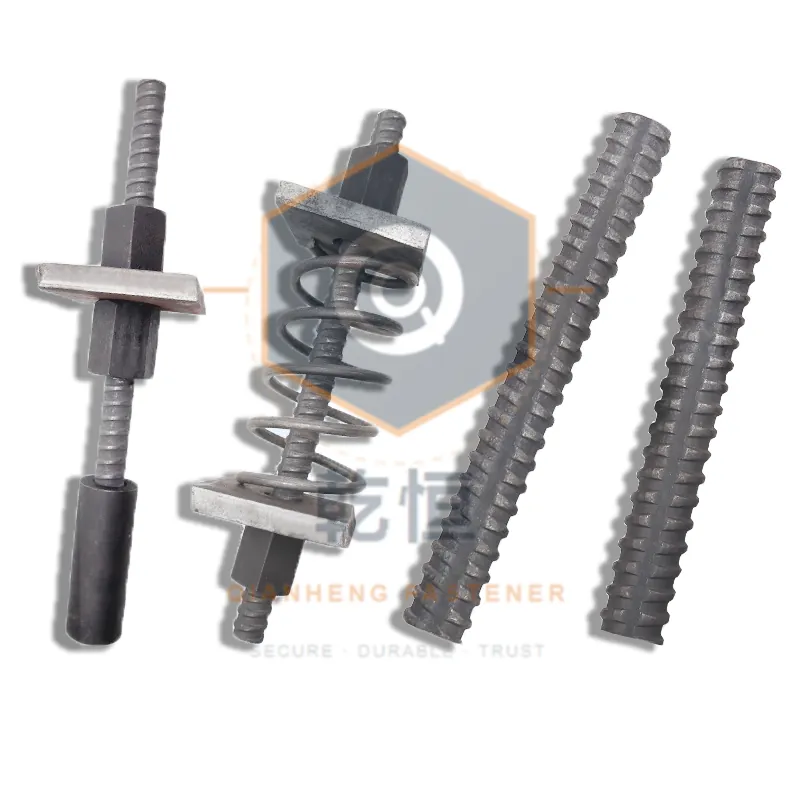
قضيب شد مدلفن بدقة بلولب مدلفن متصل، قوة شد مختبَرة حتى 180 كيلونيوتن؛ قصّ حسب الطول.
A tie rod is the member that actually resists the concrete pressure, so the choice follows the wall, not the catalogue. D12 (0.74 kg/m, tested tensile 35–42 kN) suits low-pressure walls, edge formwork and residential slabs. D15/17 (1.47–1.50 kg/m) is the volume choice for wall, column and slab formwork at normal pour heights. D20/22 (2.60 kg/m, tested tensile 210–240 kN by material) is specified where the pour rate, the height or the tie spacing pushes the load past what a 15 mm rod can hold — thick raft walls, bridge falsework, high single-lift pours.
Four values decide it: rod diameter, material grade, length and coating. Diameter comes from your engineer’s tie load; in D15/17 the "15" is the rod size and "17" is the width across flats of the matching nut, and the same rod is ordered in some markets as the 17/10 profile (17 mm outer thread × 10 mm pitch). Material sets the tested tensile: Q235 100–110 kN, 45# 120–140 kN, 40Cr 140–160 kN, precision-rolled 180 kN — all third-party tested tensile, not an allowable working load, so apply your own safety factor. Length is cut 200–8000 mm to your schedule. Coating follows exposure: plain for dry interior work, electro-galvanized for general site use, hot-dip galvanized 45–85 µm or Dacromet for outdoor, coastal or repeated-use formwork. Threads are rolled to DIN 976, A193 B7 or GB/T 15389, and we supply the matching cones, sleeves and nuts on the same order so the thread pair is never mismatched.
Around 300 tonnes of standard sizes sit in stock at Yongnian, so plain and galvanized D15/17 and D20/22 in common lengths ship in about three days. Cut-to-length and non-standard thread or coating runs take 7–15 days. Mill certificates to EN 10204 3.1 are issued on request and are worth specifying for structural pours. Rods are bundled and strapped for container loading, with export packing to your instruction; mixed orders with nuts, cones and plates are consolidated into one shipment so site receives a complete tie set rather than a partial one.
إذا كان تصميمك يحدد قطر القضيب فابدأ بقضبان D15/D20 عالية المقاومة وقيم أحمالها؛ وإذا كان الجدار يجب أن يكون مانعًا للتسرب فقضيب مانع التسرب خماسي القطع يحل محل القضيب العادي دون تغيير تباعد الشد. وللمقارنة بين القطرين انظر تحليلنا لـ D15 وD20. مقارنة D15 وD20
D15 و D20 هما القطران الاسميان للقضيب. عند نفس درجة المقاومة يتناسب تحمّل الشد مع مساحة المقطع، لذا يتحمّل D20 نحو 1,7 إلى 1,8 ضعف حمل D15. يصلح D15 للبلاطات السكنية والجدران الخفيفة، ويُستخدم D20 للجدران الأسمك ومعدلات الصب الأعلى والضغط المائي الأكبر. ويُعتمد الاختيار دائمًا على حساب ضغط القوالب للارتفاع ومعدل الصب الفعليين، لا على النسخ من مشروع سابق.