
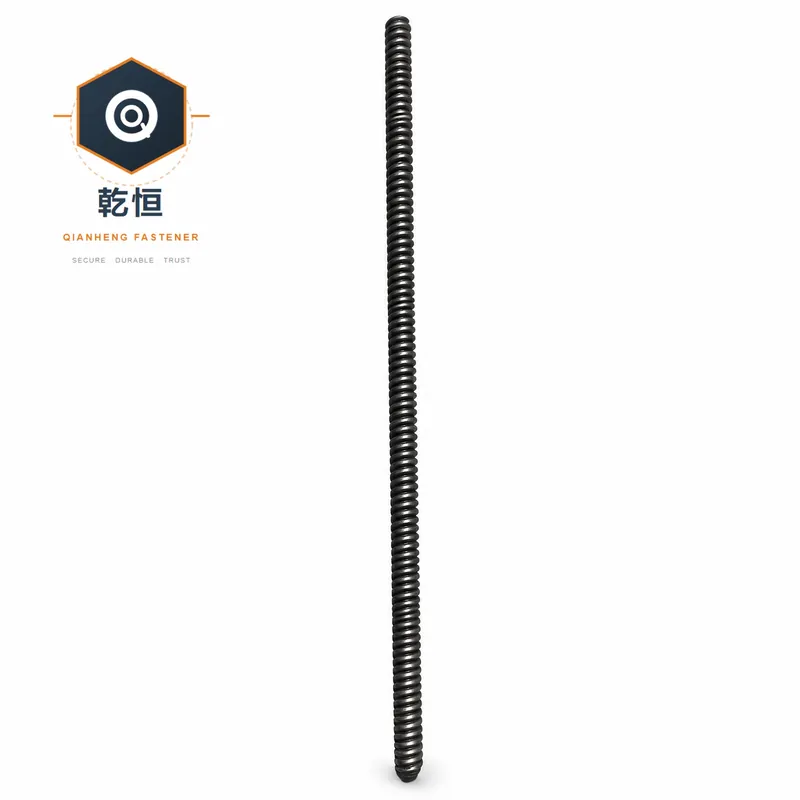
Стяжный стержень D12
Стержень D12, 0,74 кг/м, испытанное усилие 35–42 кН по марке стали.
- D12 all-thread rod, 0.74 kg/m
- Tested tensile: A195 35 kN · 35K 42 kN (2026 catalogue)
- Length 200–8000mm, cut to length
Стяжные стержни D12, D15/17 и D20/22, а также стяжной стержень точной прокатки — испытанное усилие по марке стали, покрытия, резка в размер 200–8000 мм.
Стяжной стержень — деталь, которая держит опалубку. В серии: стержни D12, D15/17 и D20/22 и стяжной стержень точной прокатки с испытанным усилием по марке стали, вариантами покрытия и резкой в размер. В обозначении D15/17: D15 — размер стержня, 17 — размер под ключ ответной гайки; в ряде стран тот же стержень заказывают как профиль 17/10 (наружная резьба 17 мм × шаг 10 мм). D20/22 — то же правило с гайкой 22 мм.
Стержень D12, 0,74 кг/м, испытанное усилие 35–42 кН по марке стали.
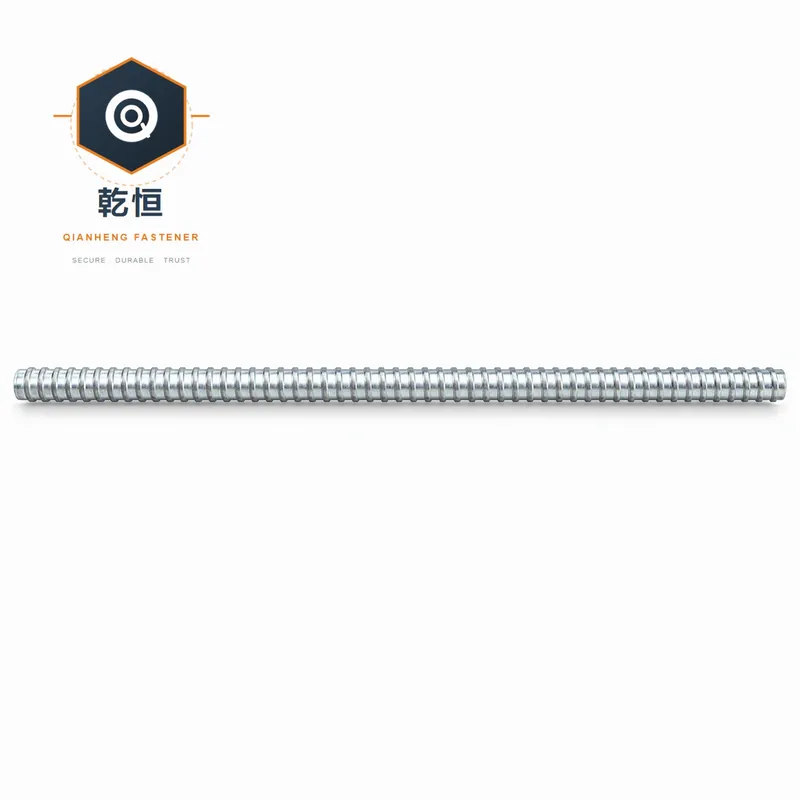
Стержень D15/17 (DW15, профиль 17/10), 1,47–1,50 кг/м, испытанное усилие 110–180 кН по марке стали.
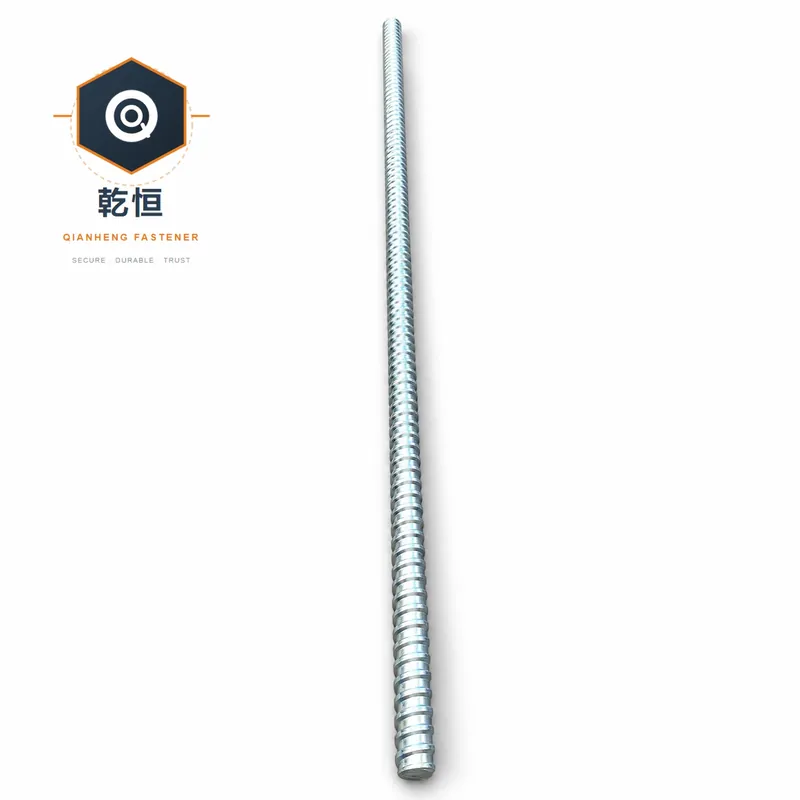
Стержень D20/22, 2,60 кг/м, испытанное усилие 210–240 кН по марке стали.
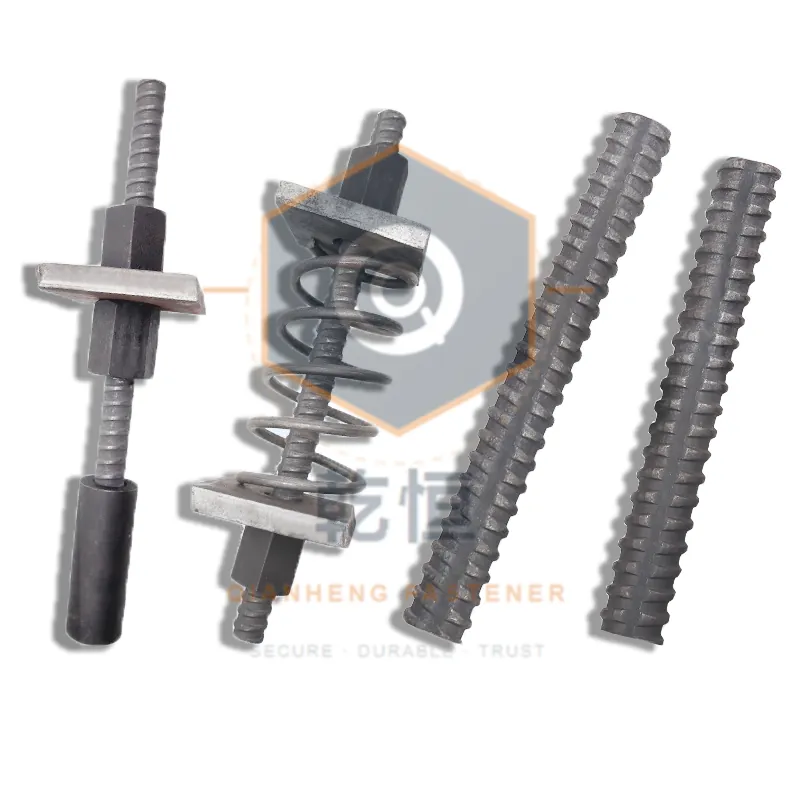
Стяжной стержень точной прокатки с непрерывной накатанной резьбой, испытанное усилие до 180 кН; резка в размер.
A tie rod is the member that actually resists the concrete pressure, so the choice follows the wall, not the catalogue. D12 (0.74 kg/m, tested tensile 35–42 kN) suits low-pressure walls, edge formwork and residential slabs. D15/17 (1.47–1.50 kg/m) is the volume choice for wall, column and slab formwork at normal pour heights. D20/22 (2.60 kg/m, tested tensile 210–240 kN by material) is specified where the pour rate, the height or the tie spacing pushes the load past what a 15 mm rod can hold — thick raft walls, bridge falsework, high single-lift pours.
Four values decide it: rod diameter, material grade, length and coating. Diameter comes from your engineer’s tie load; in D15/17 the "15" is the rod size and "17" is the width across flats of the matching nut, and the same rod is ordered in some markets as the 17/10 profile (17 mm outer thread × 10 mm pitch). Material sets the tested tensile: Q235 100–110 kN, 45# 120–140 kN, 40Cr 140–160 kN, precision-rolled 180 kN — all third-party tested tensile, not an allowable working load, so apply your own safety factor. Length is cut 200–8000 mm to your schedule. Coating follows exposure: plain for dry interior work, electro-galvanized for general site use, hot-dip galvanized 45–85 µm or Dacromet for outdoor, coastal or repeated-use formwork. Threads are rolled to DIN 976, A193 B7 or GB/T 15389, and we supply the matching cones, sleeves and nuts on the same order so the thread pair is never mismatched.
Around 300 tonnes of standard sizes sit in stock at Yongnian, so plain and galvanized D15/17 and D20/22 in common lengths ship in about three days. Cut-to-length and non-standard thread or coating runs take 7–15 days. Mill certificates to EN 10204 3.1 are issued on request and are worth specifying for structural pours. Rods are bundled and strapped for container loading, with export packing to your instruction; mixed orders with nuts, cones and plates are consolidated into one shipment so site receives a complete tie set rather than a partial one.
Если в проекте уже задан диаметр — начните с высокопрочных шпилек D15/D20 и их нагрузок; если стена должна быть непроницаемой, водоупорная шпилька с приваренной пластиной заменит обычную стяжку без изменения шага. Побочное сравнение двух диаметров — в нашем разборе D15 и D20. сравнении D15 и D20
D15 и D20 — это номинальные диаметры стержня. При одинаковом классе прочности несущая способность растёт пропорционально площади сечения, поэтому D20 воспринимает примерно в 1,7–1,8 раза большую нагрузку, чем D15. D15 подходит для перекрытий жилых зданий и тонких стен, D20 применяют для более толстых стен, высокой скорости бетонирования и большего гидростатического давления. Выбор всегда подтверждают расчётом давления опалубки для фактической высоты и скорости укладки, а не копируют с прошлого объекта.